Filter by
Jump to Program Directory
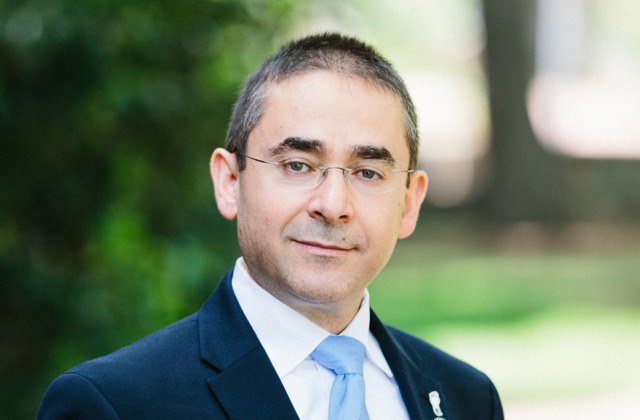
Fouad Abd-El-Khalick
Dean and Alumni Distinguished Professor
Research: Curriculum and Instruction; Teaching and Teacher Education; STEM Education
Email:
fouad@unc.edu
Phone: (919) 966-2436
Office: Peabody 1010
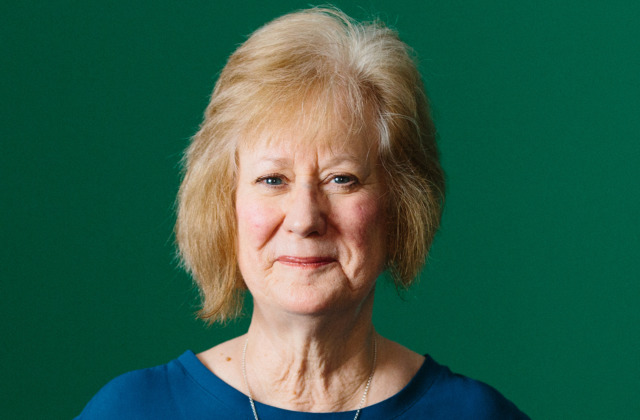
Harriet Able
Professor
Research: Teaching and Teacher Education; Special Education; Child and Human Development
Email:
hable@email.unc.edu
Phone: (919) 962-9371
Office: Peabody 3010G
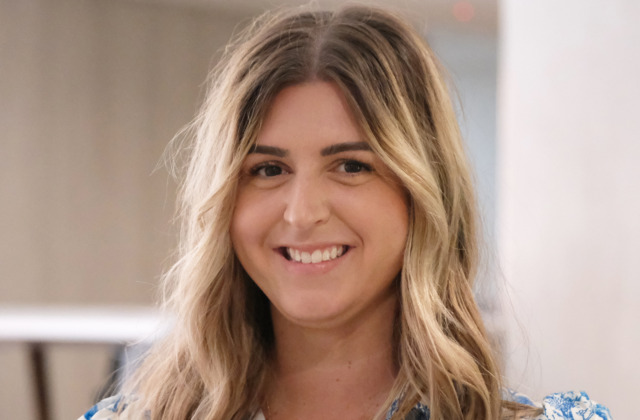
Rachael Adler
DREAM Program Assistant
Email:
raadler@unc.edu
Office: 2092
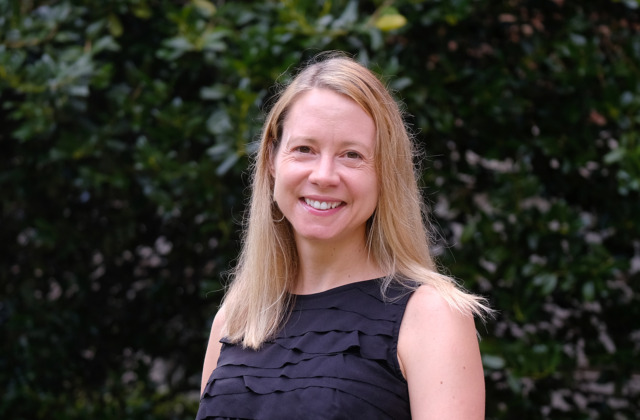
Jessica Amsbary
Program Coordinator, Master of Education for Experienced Teachers, Early Childhood Intervention and Family Support
Program Coordinator, Birth-Kindergarten, Pre-Kindergarten Add-On Licensure
Email:
amsbary@email.unc.edu
Phone: (919) 843-8751
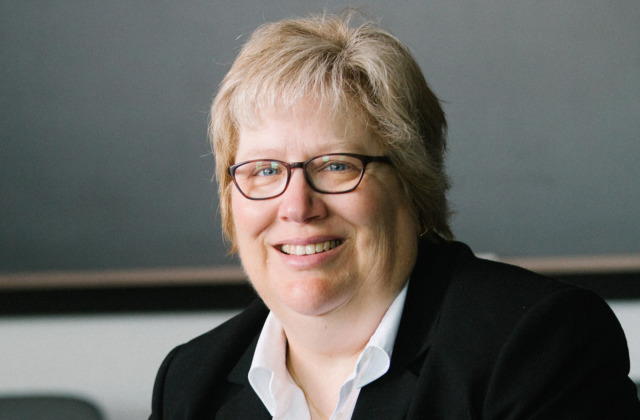
Janice L. Anderson
Associate Professor
Research: Curriculum and Instruction; Teaching and Teacher Education; STEM Education; Instructional Technology
Email:
anderjl@email.unc.edu
Phone: (919) 843-9867
Office: Peabody 3028C

Jacqueline Aponte
NC New Teacher Support Coach
Email:
japonte@email.unc.edu
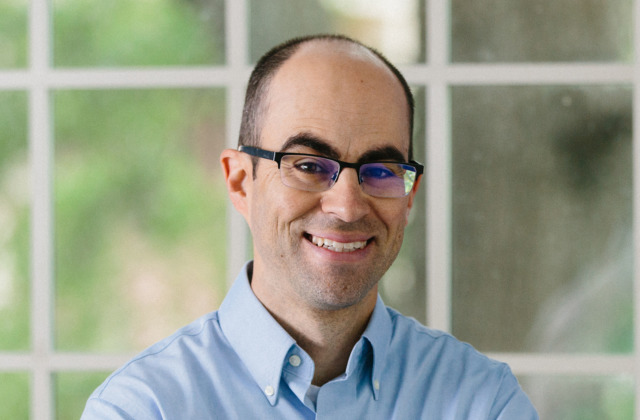
Matt Bernacki
Donald & Justeen Tarbet Distinguished Scholar
Program Coordinator, Learning Sciences and Psychological Studies
Associate Professor
Research: STEM Education; Learning Sciences; Instructional Technology; Educational Measurement and Statistics
Email:
mlb@unc.edu
Phone: (919) 843-5550
Office: Peabody 3040D
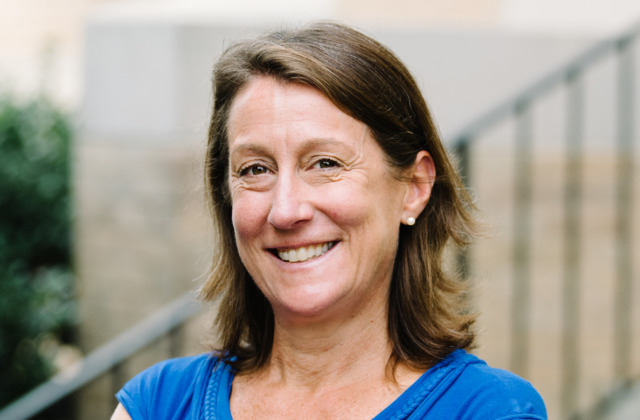
Cheryl Mason Bolick
Program Director, Master of Arts in Teaching
Interim Program Coordinator, UNC-BEST
Associate Professor
Research: Curriculum and Instruction; Teaching and Teacher Education
Email:
cbolick@unc.edu
Phone: (919) 962-9890
Office: Peabody 2092A
Barbara Bossen
Site Coordinator/Intervention Coach
Email:
bbossen@unc.edu
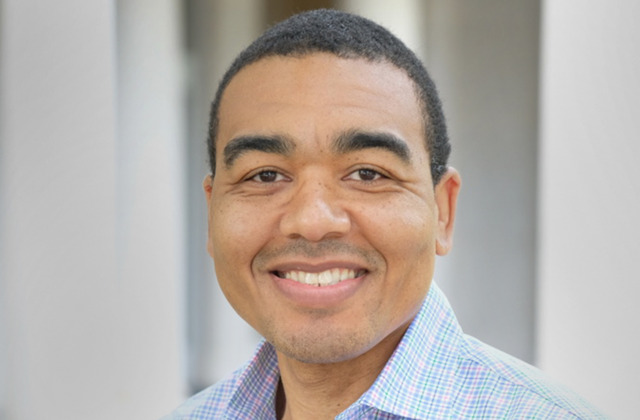
Brian Boyd
William C. Friday Distinguished Professor of Education
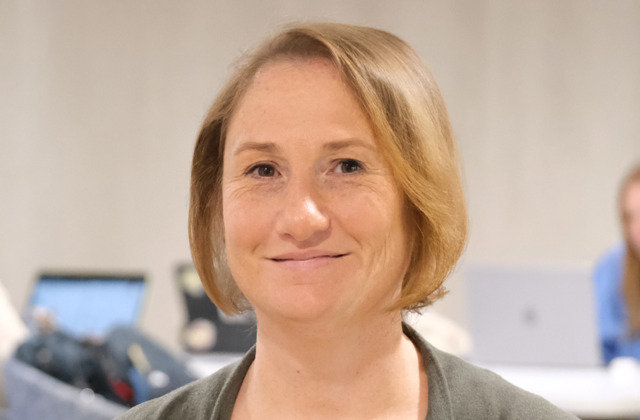
Joanne Brosh
Data & Accreditation Manager
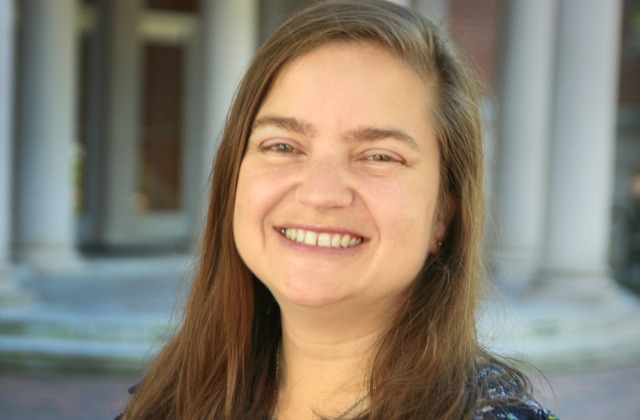
Heather Bucurel
Program Support Specialist Supervisor
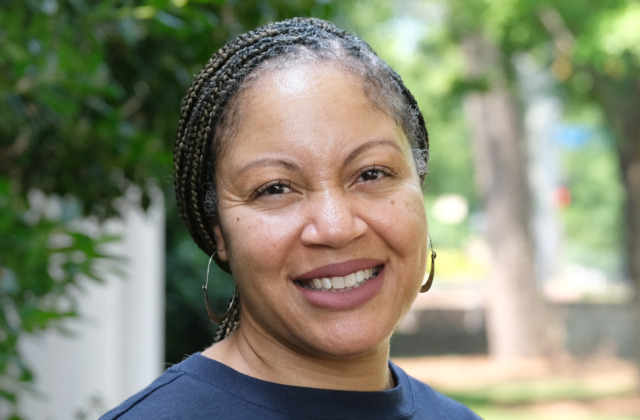
Christina Bush
NC New Teacher Support Coach
Email:
crbush@email.unc.edu
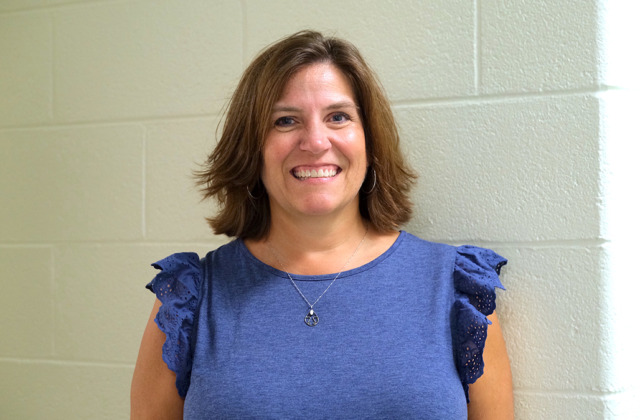
Diane Byrd
Instructional Coach at Carolina Community Academy
Email:
byrdd@person.k12.nc.us
Phone: (336) 599-7262
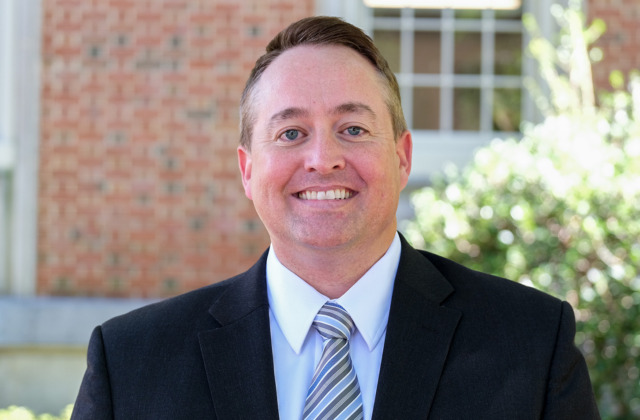
Casey Calhoun
Assistant Professor
Research: School Psychology
Email:
cdcalhou@email.unc.edu
Phone: (919) 843-4758
Office: Peabody Hall 1050F
Claire Cappella
First Grade Teacher at Carolina Community Academy
Email:
cappellac@person.k12.nc.us
Phone: (336) 599-7262

Todd Cherner
Program Director, Master of Arts in Educational Innovation, Technology, and Entrepreneurship
Clinical Associate Professor
Research: Curriculum and Instruction; Language, Literacy, and Reading; Instructional Technology
Email:
tcherner@unc.edu
Phone: (919) 962-0132
Office: Peabody 2010F

Kimone Clarke
Kindergarten Teacher at Carolina Community Academy
Email:
clarkek@person.k12.nc.us
Phone: (336) 599-7262
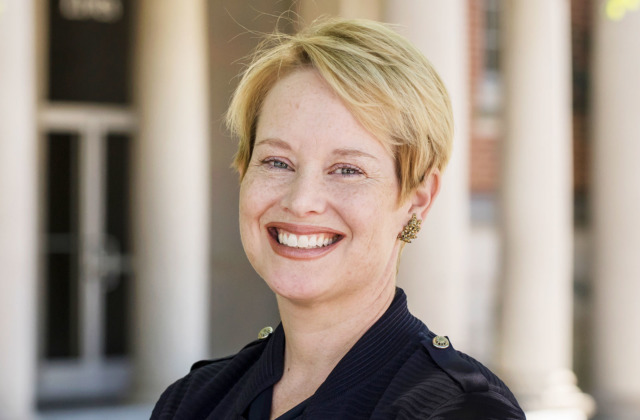
Lora Cohen-Vogel
Program Coordinator, Policy, Leadership, and School Improvement (PLS)
Program Director, Interprofessional Graduate Certificate in Improvement Science and Implementation
Frank A. Daniels Jr. Distinguished Professor
Research: Educational Leadership, Administration, and Policy
Email:
lora.cohen-vogel@unc.edu
Phone: (919) 843-2016
Office: Peabody 1084
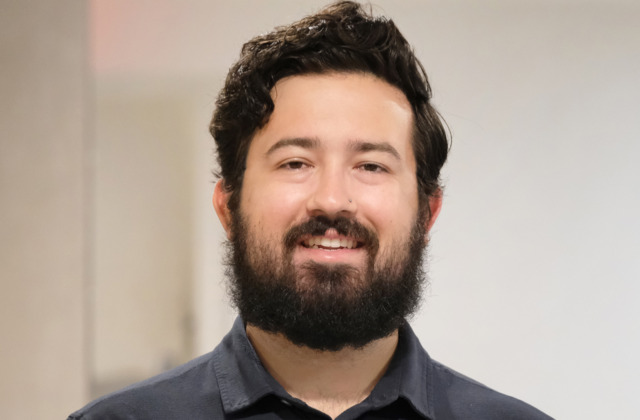
Chase Coleman
Undergraduate Advisor and Student Engagement Programmer
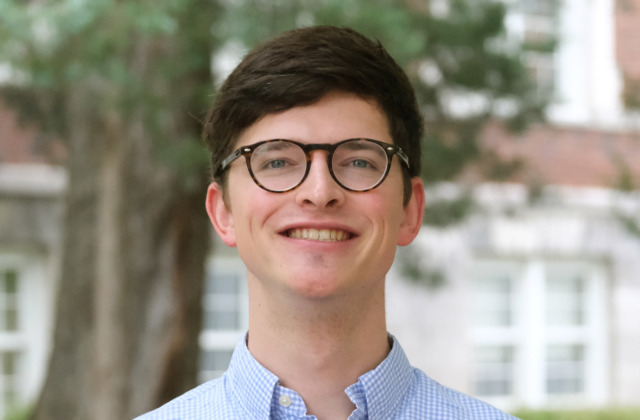
Coltan Compton
Research Assistant
Email:
crcompto@unc.edu
Office: Peabody G040A
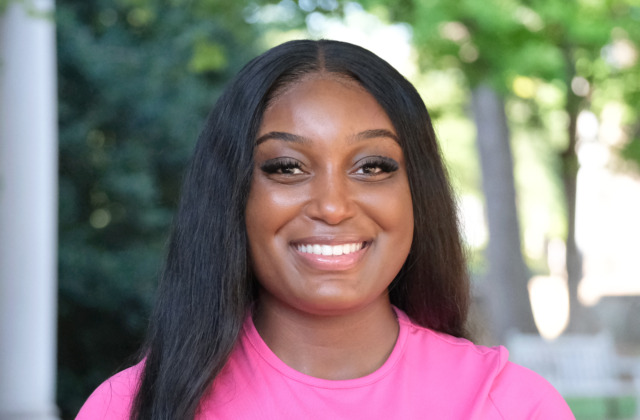
Brittany D. Cowan
Communications and Marketing Content Manager
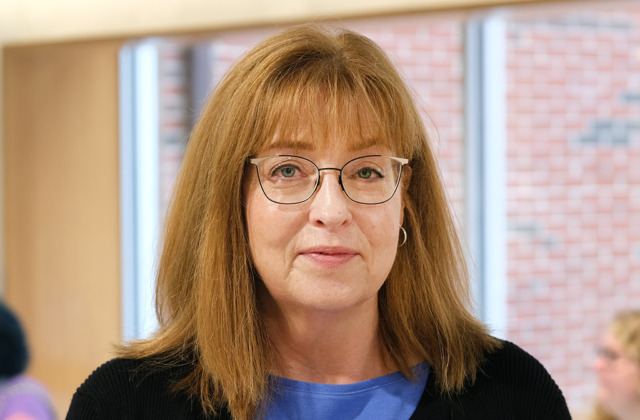
Tammy Cox
Assistant Dean for Finance and Operations
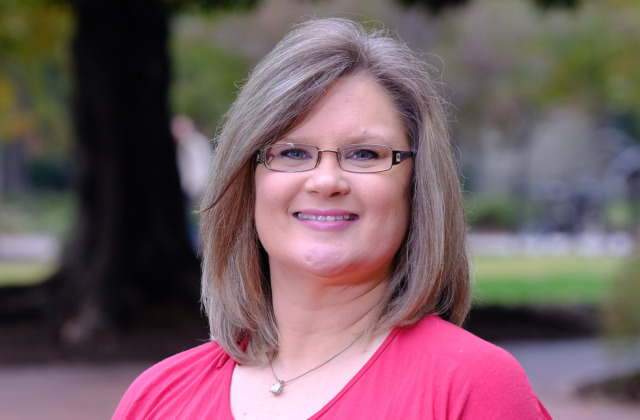
Karren Crawford
University Program Specialist
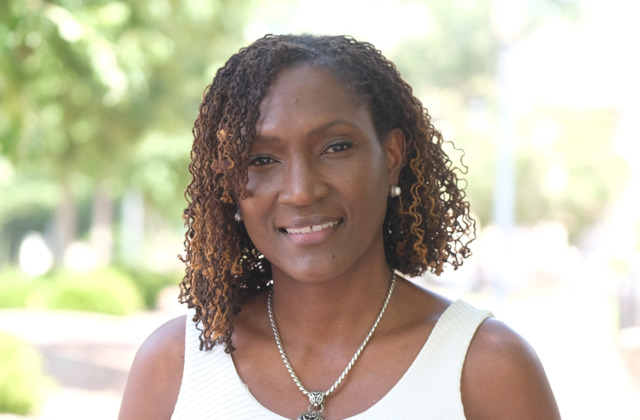
Dionne Cross Francis
Joseph R. Neikirk Term Professor
Program Coordinator, Culture, Curriculum, and Teacher Education (CCTE)
Research: Curriculum and Instruction; Learning Sciences; STEM Education; Teaching and Teacher Education
Email:
dicross@unc.edu
Phone: (919) 843-9133
Office: 3028E
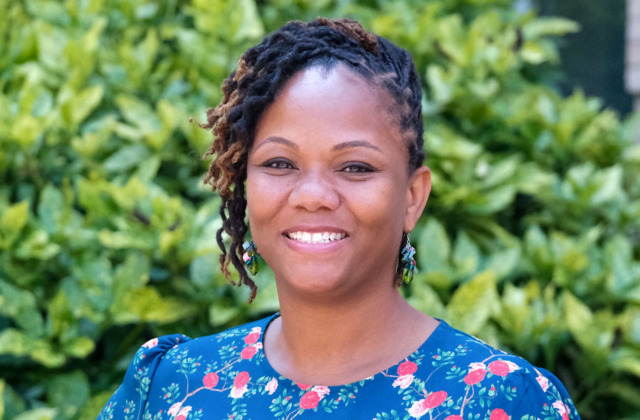
Jemilia S. Davis
Program Director, Human and Organizational Leadership Development (HOLD)
Clinical Assistant Professor
Research: Educational Leadership, Administration, and Policy; Equity; Higher Education
Email:
jemilia_davis@unc.edu
Phone: (919) 962-5858
Office: Peabody 1096B

Dorentina Dedushaj
Research Assistant
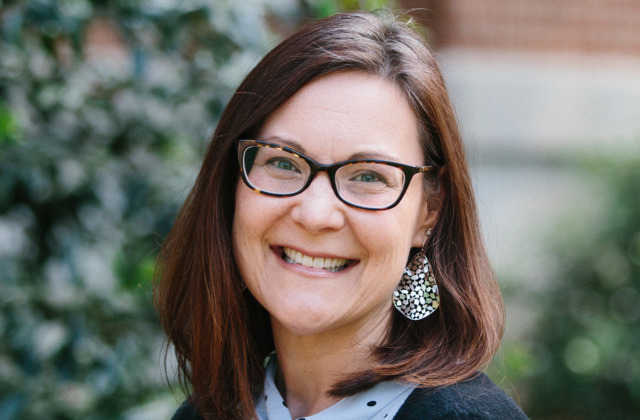
Jennifer A. Diliberto
Clinical Associate Professor
Research: Curriculum and Instruction; Teaching and Teacher Education; Language, Literacy, and Reading; Special Education; Equity
Email:
jdil@email.unc.edu
Phone: (919) 966-5078
Office: Peabody 3010D

Thurston Domina
Associate Dean for Academic Affairs and Director of Graduate Studies
Robert Wendell Eaves Sr. Distinguished Professor in Educational Leadership
Research: Educational Measurement and Statistics; Social and Philosophical Foundations of Education; Educational Policy; Educational Leadership, Administration, and Policy; Equity
Email:
tdomina@unc.edu
Phone: (919) 962-9197
Office: Peabody 1010E
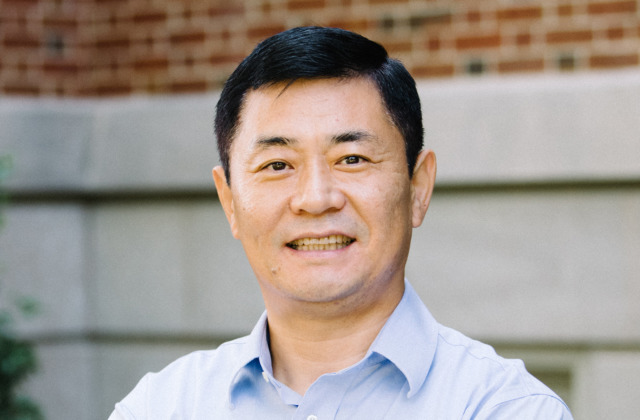
Nianbo Dong
Kinnard White Faculty Scholar in Education
Associate Professor
Research: Learning Sciences; Educational Measurement and Statistics; Educational Policy; Educational Leadership, Administration, and Policy
Email:
nianbo.dong@unc.edu
Phone: (919) 843-9553
Office: Peabody 1070B
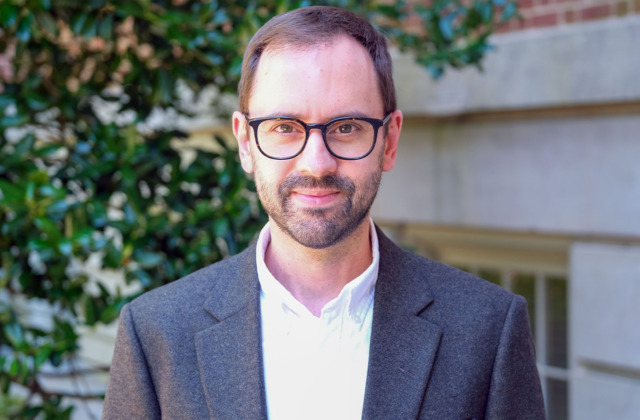
Christian Ehret
Associate Professor
Research: Language, Literacy, and Reading; Instructional Technology; Curriculum and Instruction; Learning Sciences
Email:
cehret@unc.edu
Phone: (919) 962-0345
Office: Peabody 1070F

Morgan Ellis
Director of Communications and Marketing
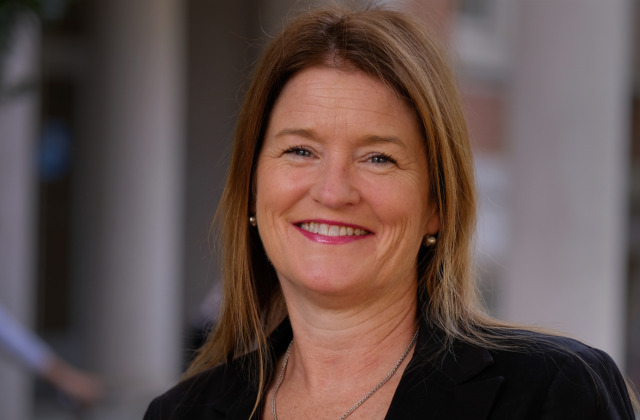
Dorothy L. Espelage
William C. Friday Distinguished Professor of Education
Research: Child and Human Development; Counseling and Counseling Psychology; Learning Sciences; School Psychology
Email:
espelage@unc.edu
Phone: (217) 766-6413
Office: Peabody 1082
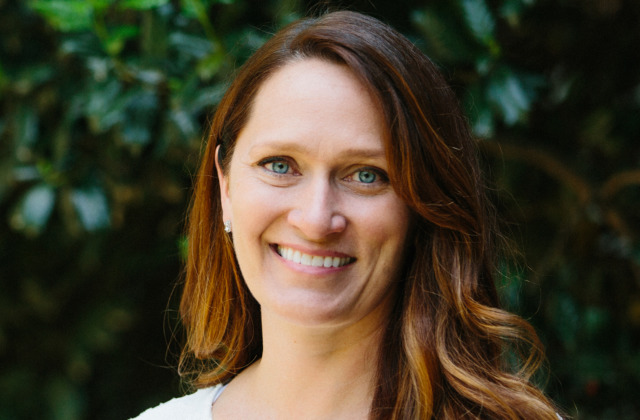
Sandra Evarrs
Program Director, School Psychology
Clinical Associate Professor
Research: Learning Sciences; Special Education; School Psychology; Counseling and Counseling Psychology; Child and Human Development
Email:
evarrs@unc.edu
Office: Peabody 1050L
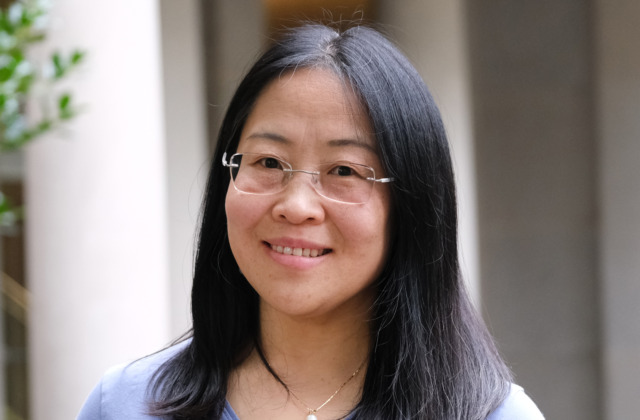
Xumei Fan
Quantitative Methodologist and Program Evaluator
Email:
fan9@unc.edu
Office: Peabody 1070L
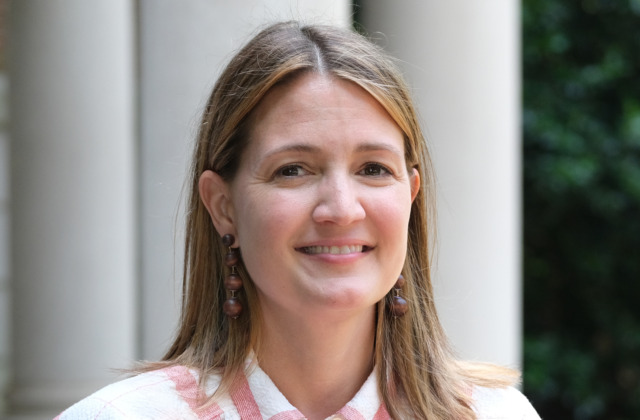
Kathy L. Fields
NC New Teacher Support Coach
Email:
klfields@email.unc.edu
Phone: (336) 402-1962
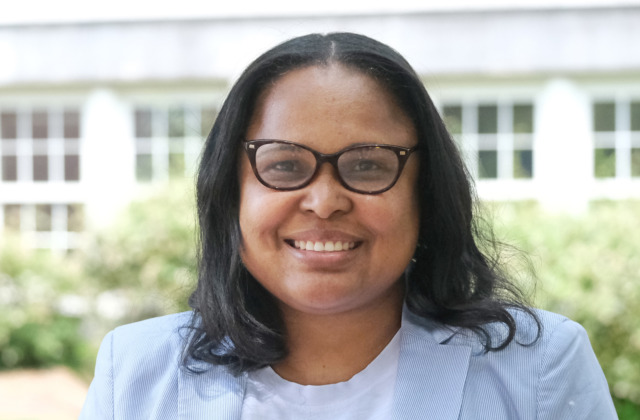
Helyne Frederick
Program Director, Human Development and Family Science; Director, Interprofessional Education and Practice
Clinical Professor
Research: Child and Human Development
Email:
helyne@email.unc.edu
Phone: (919) 962-9855
Office: Peabody 3010E
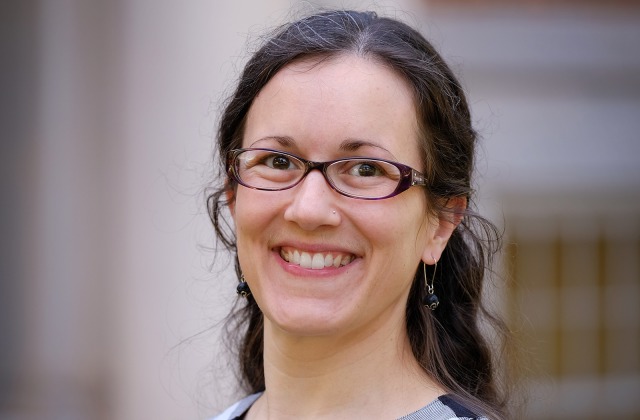
Sonya Frej
Human Resources Specialist
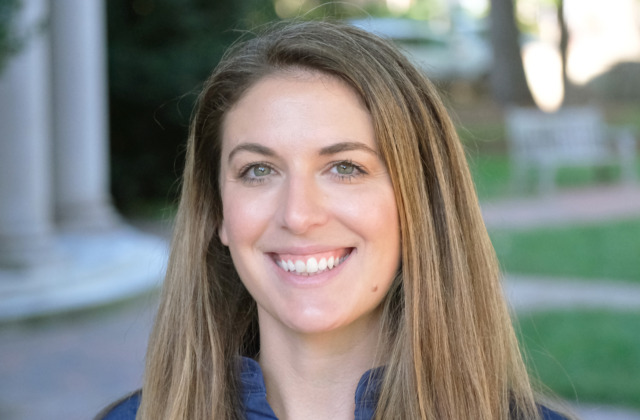
Megan Garrett
Assistant Dean for Development
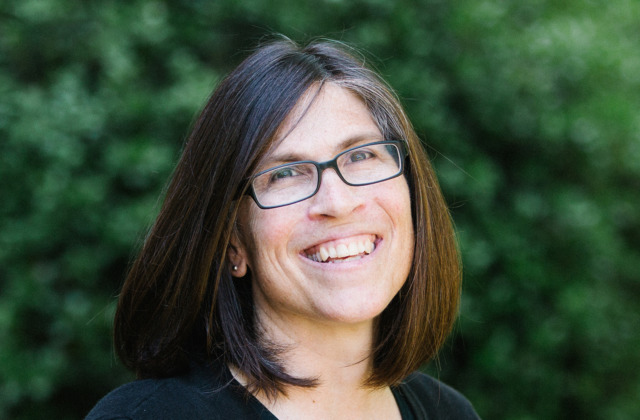
Jocelyn Glazier
Associate Professor
Research: Equity; Social and Philosophical Foundations of Education; Teaching and Teacher Education
Email:
jocelyng@email.unc.edu
Phone: (919) 843-0406
Office: Peabody 3010F

Jeffrey A. Greene
McMichael Professor
Research: Educational Measurement and Statistics; Learning Sciences
Email:
jagreene@email.unc.edu
Phone: (919) 966-6188
Office: Peabody 3040C
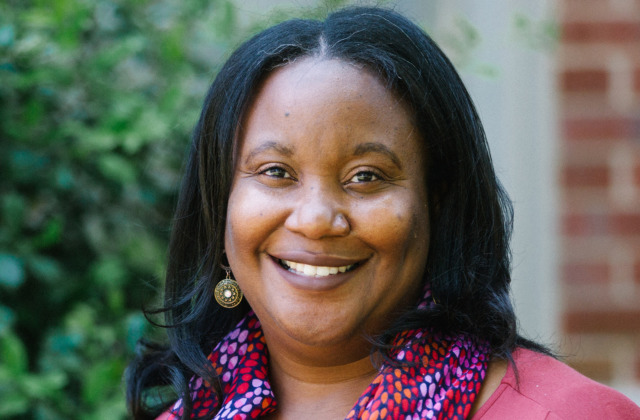
Dana Griffin
Associate Professor
Research: Counseling and Counseling Psychology; Child and Human Development
Email:
dcgriffi@email.unc.edu
Phone: (919) 843-2740
Office: Peabody 1050E
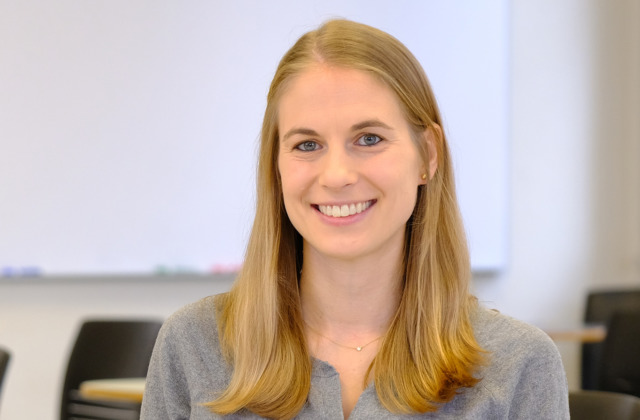
Emily Halpin
Clinical Assistant Professor
Research: Child and Human Development; Language, Literacy, and Reading
Email:
emily.halpin@unc.edu
Phone: (919) 445-4718
Office: Peabody 2050B

Peter F. Halpin
Associate Professor
Research: Educational Measurement and Statistics; Learning Sciences; Instructional Technology; Child and Human Development
Email:
peter.halpin@unc.edu
Phone: (919) 962-7528
Office: Peabody 1070G
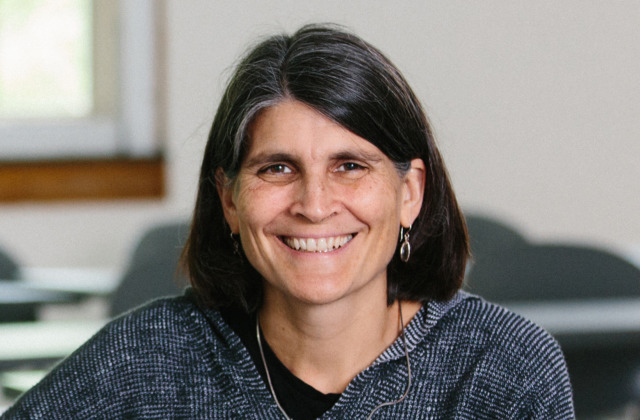
Jill Hamm
Associate Dean for Research and Faculty Development
William C. Friday Distinguished Professor of Education
Research: Child and Human Development; Learning Sciences
Email:
jill.hamm@unc.edu
Phone: (919) 966-7395
Office: Peabody 1010B
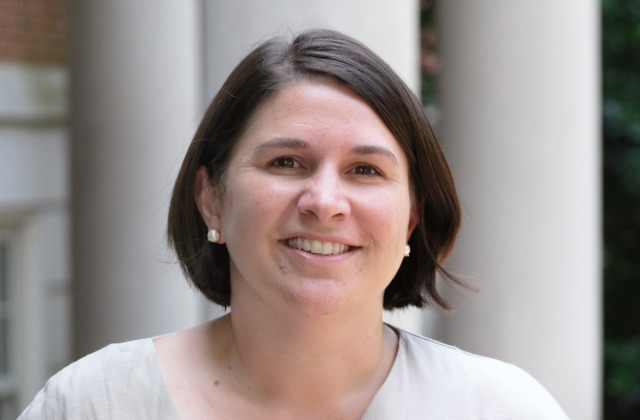
Kathleen Harrell
NC New Teacher Support Coach
Email:
kathleen.harrell@unc.edu

Joanna Harris
Special Education Teacher at Carolina Community Academy
Email:
harrisjo@person.k12.nc.us
Phone: (336) 599-7262
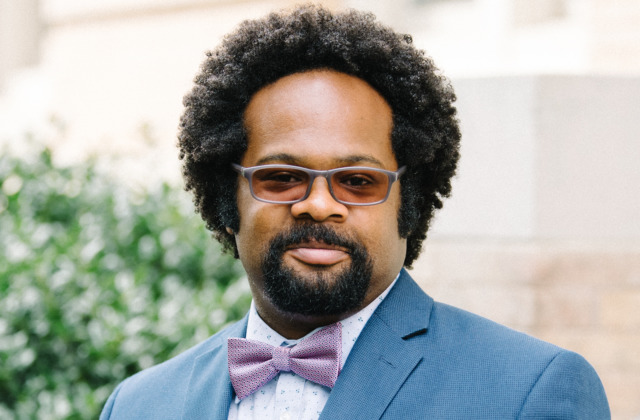
Lewis Hatcher
Program Director, School Counseling
Clinical Assistant Professor
Research: Child and Human Development; Counseling and Counseling Psychology; Equity; Higher Education
Email:
lewis.hatcher@unc.edu
Phone: (919) 537-3503
Office: Peabody 1050D
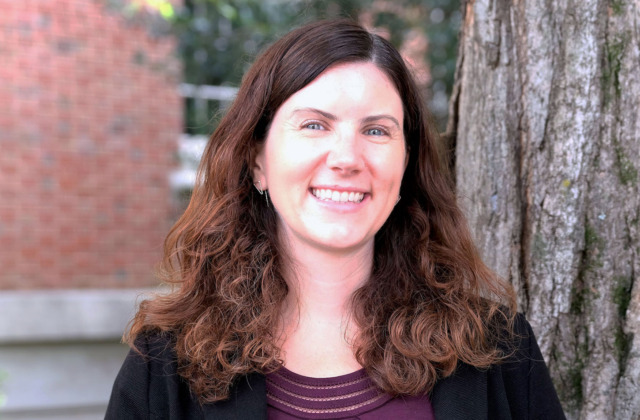
Courtney Hattan
Assistant Professor
Research: Language, Literacy, and Reading; Curriculum and Instruction; Equity; Learning Sciences; Teaching and Teacher Education
Email:
chattan@unc.edu
Office: Peabody 2010A
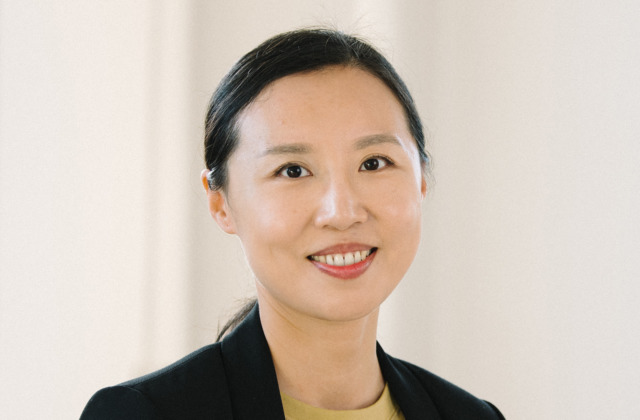
Jia Heiny
Program Support Specialist
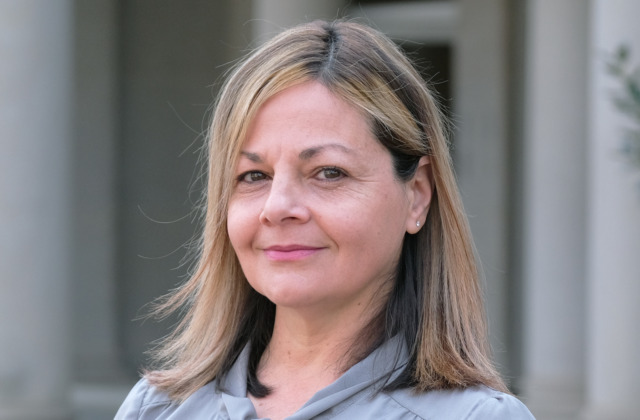
Ileana Herrera Lobo
Helping Heels Project Director
Email:
iherrera@unc.edu
Phone: (919) 966-1346
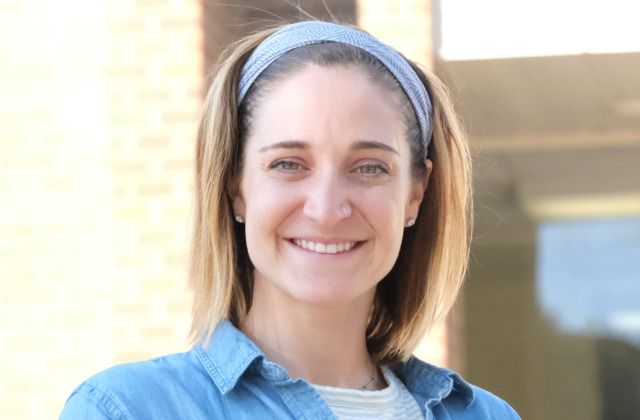
Cora Hirschfeld
Social Worker at Carolina Community Academy
Email:
hirschfeldc@person.k12.nc.us
Phone: (336) 599-7262
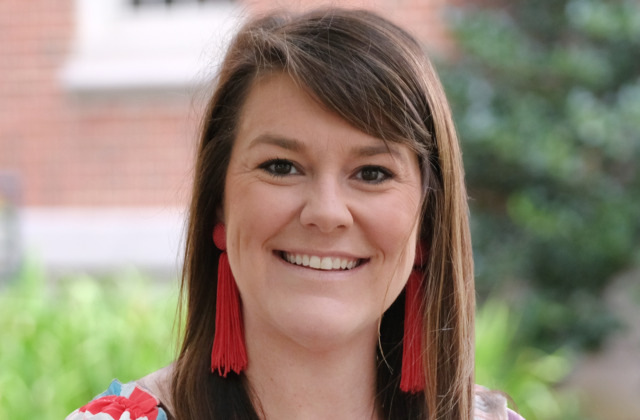
Danielle Hoffman
Research Development Manager
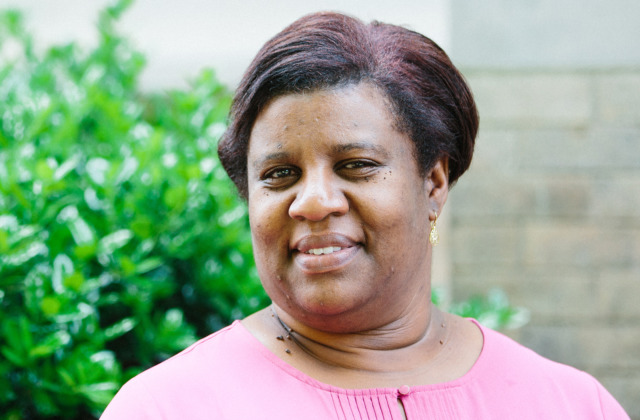
Martinette Horner
Program Director, School Administration
Area Chair, Education Policy and Organizational Leadership
Clinical Associate Professor
Research: Curriculum and Instruction; Educational Leadership, Administration, and Policy
Email:
mvhorner@email.unc.edu
Phone: (919) 962-0019
Office: Peabody 1088

Eric A. Houck
Ed.D. Program Coordinator
Associate Professor
Research: Educational Policy; Educational Leadership, Administration, and Policy
Email:
eahouck@unc.edu
Phone: (919) 249-8430
Office: Peabody 1096C
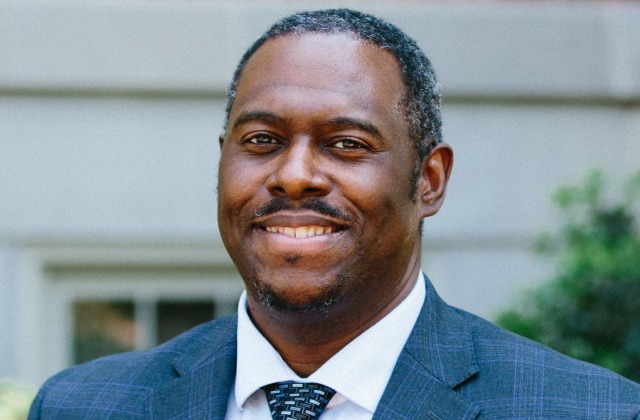
Sherick Hughes
Samuel M. Holton Distinguished Professor
Research: Teaching and Teacher Education; Social and Philosophical Foundations of Education; Equity; Educational Policy
Email:
shughes@email.unc.edu
Phone: (919) 537-3804
Office: Peabody 2050F
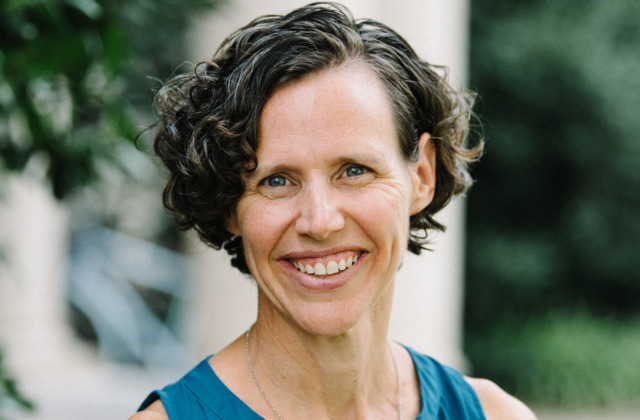
Kara Hume
Richard "Dick" Coop Faculty Scholar in Education
Associate Professor
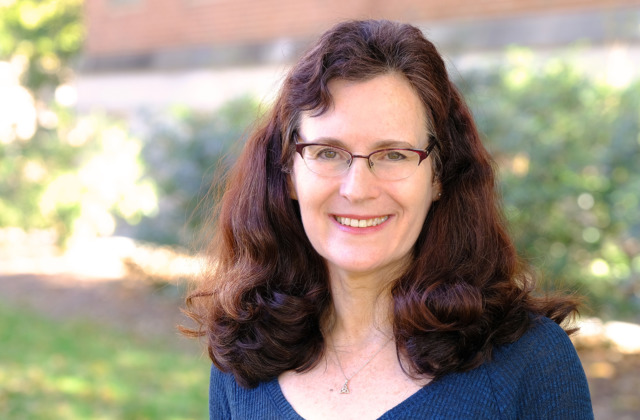
Leigh A. Hutchison
Program Support Specialist
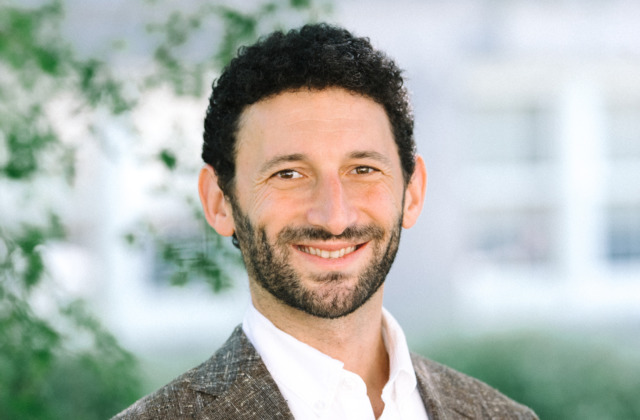
Ethan Hutt
Program Director, Minor in Education
Gary Stuck Faculty Scholar in Education
Associate Professor
Research: Curriculum and Instruction; Educational Policy; Equity; Social and Philosophical Foundations of Education
Email:
ehutt@unc.edu
Office: Peabody 3028B
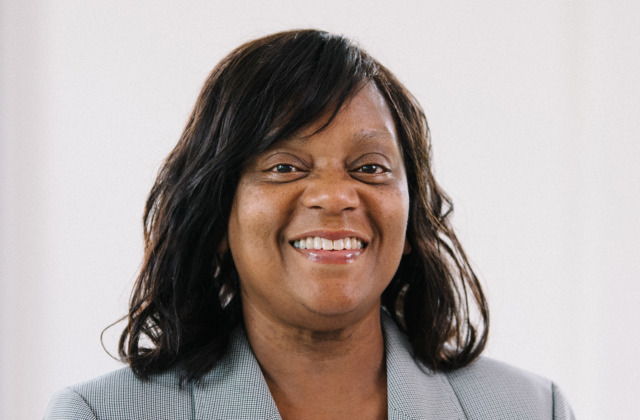
Lisa Johnson
Registrar
Wayne Johnson
Research Accounts Manager
Email:
wmjohn@unc.edu
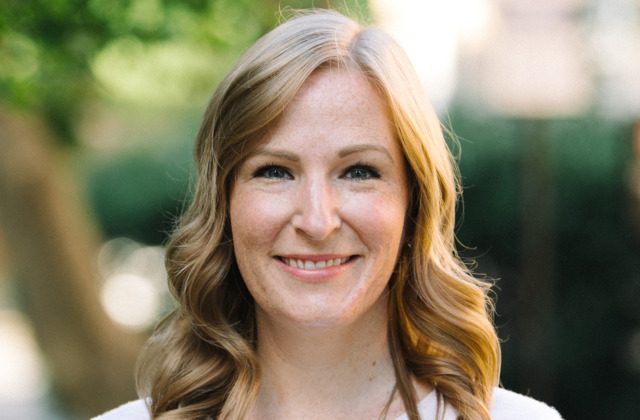
Gail Kinley
University Program Specialist
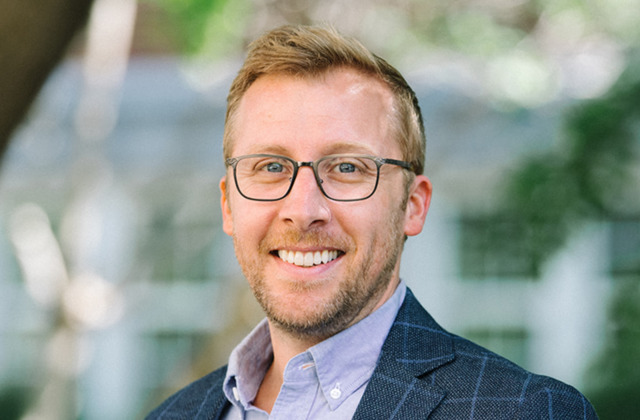
Daniel Klasik
Associate Professor
Research: Educational Leadership, Administration, and Policy; Educational Policy; Equity; Higher Education
Email:
djklasik@unc.edu
Phone: (919) 962-2522
Office: Peabody 2010H
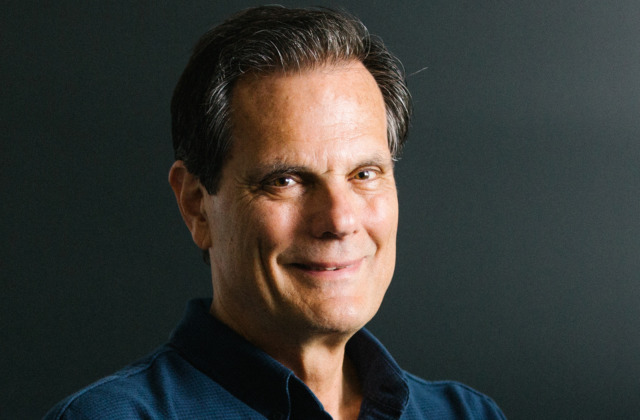
Steve Knotek
Associate Professor
Research: Learning Sciences; Special Education; School Psychology; Child and Human Development; Workforce and Adult Education
Email:
sknotek@email.unc.edu
Phone: (919) 843-2049
Office: Peabody 1070D
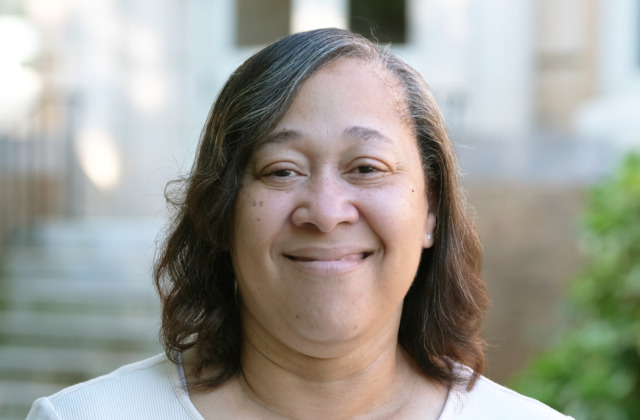
Timberly Leake
Human Resource Specialist
Email:
Teleake@unc.edu
Office: Peabody G080
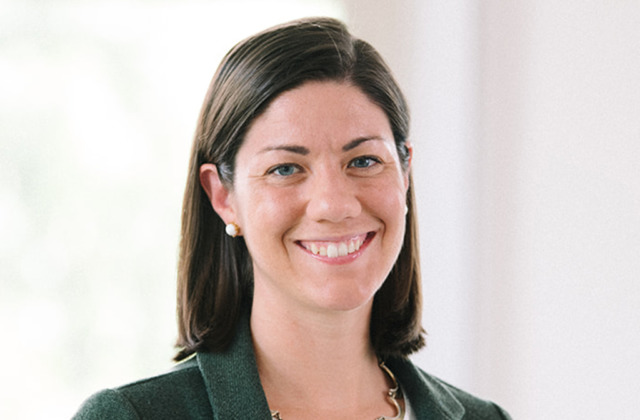
Kathryn Leech
Assistant Professor
Research: Child and Human Development; Language, Literacy, and Reading
Email:
leechk@unc.edu
Phone: (919) 843-6158
Office: Peabody 3010B
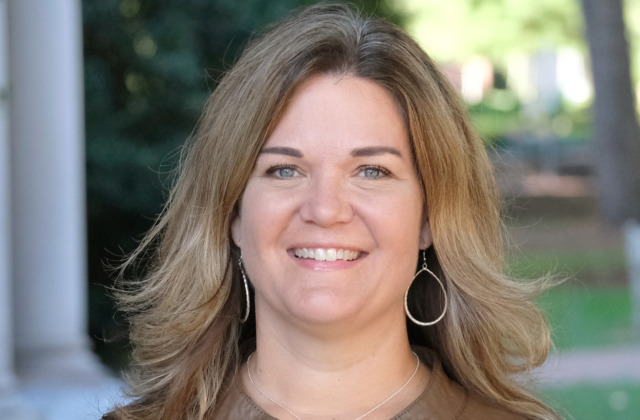
Leah Leitch
Research Accounts Manager

Constance A. Lindsay
Assistant Professor
Research: Educational Leadership, Administration, and Policy; Educational Policy; Equity
Email:
clindsay@unc.edu
Phone: (919) 843-5221
Office: Peabody 2010B
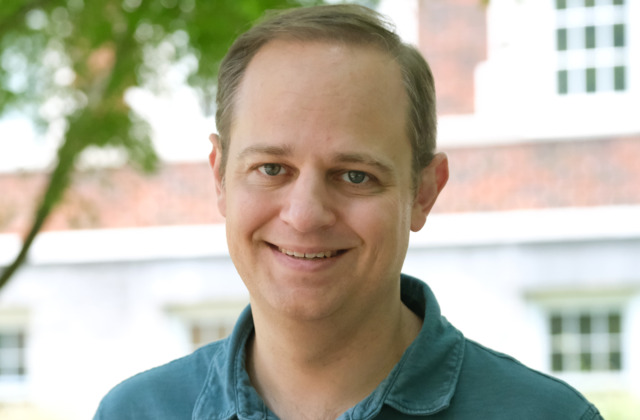
Rob Lucas
Instructional Designer
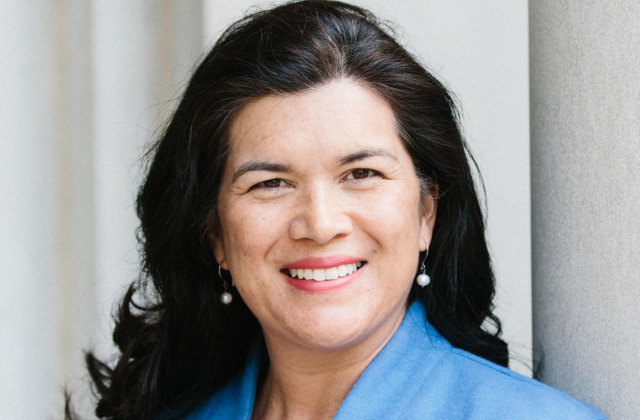
Diana B. Lys
Assistant Dean for Educator Preparation and Accreditation
Clinical Associate Professor
Co-Founder, Pathway to Practice North Carolina
Research: Teaching and Teacher Education
Email:
lys@unc.edu
Phone: (919) 445-8878
Office: Peabody 1028G
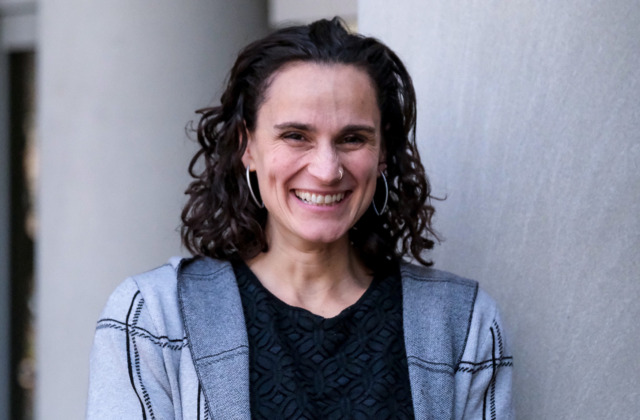
Marisa E. Marraccini
Donald & Justeen Tarbet Distinguished Scholar
Associate Professor
Research: School Psychology
Email:
mmarracc@email.unc.edu
Phone: (919) 843-5099
Office: Peabody 1050K
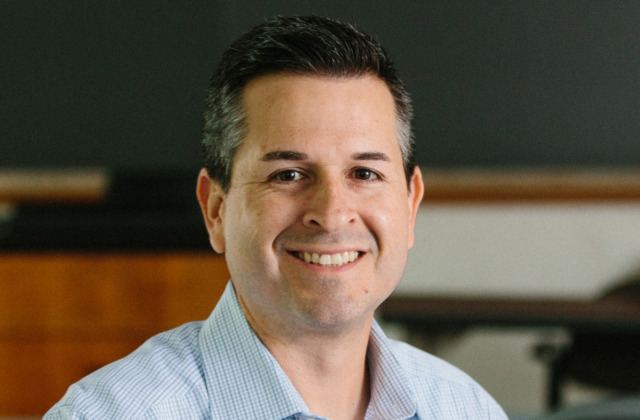
Robert R. Martinez Jr.
Associate Professor
Research: Counseling and Counseling Psychology
Email:
rrmartin@email.unc.edu
Phone: (919) 445-8380
Office: Peabody 1050H
Darian McKoy
Lead Automation and Process Technician
Email:
darianm@unc.edu
Phone: (919) 966-1346
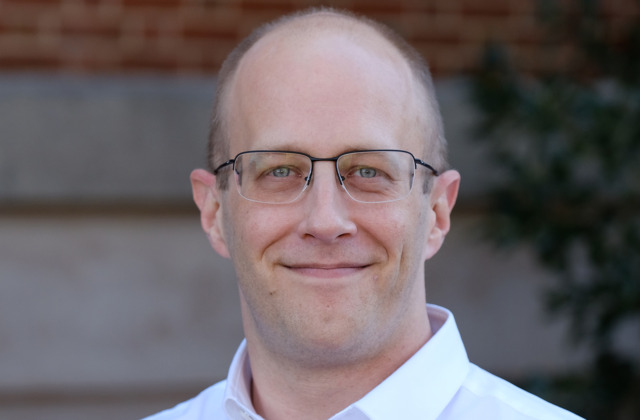
Grayson Mendenhall
Web Developer & Graphic Designer

Roger Mills-Koonce
Professor
Program Coordinator, Applied Developmental Sciences and Special Education & Early Childhood Intervention and Family Support
Research: Child and Human Development
Email:
mills-koonce@unc.edu
Phone: (919) 962-6605
Office: Peabody 3010C
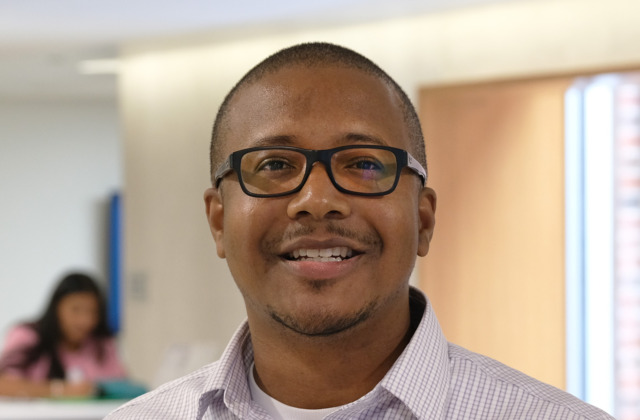
Colin Minga
Technology Support Analyst
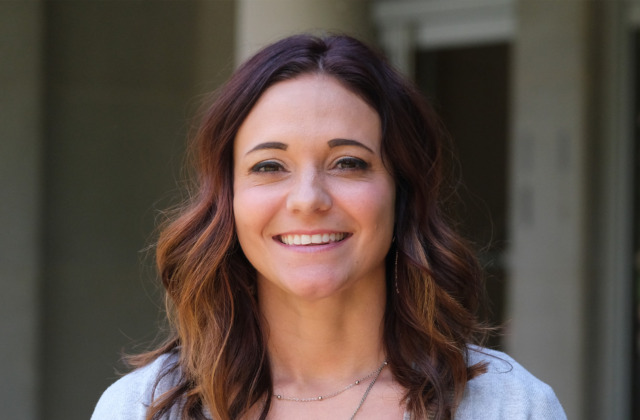
Ashley Murphy
Program Support Specialist
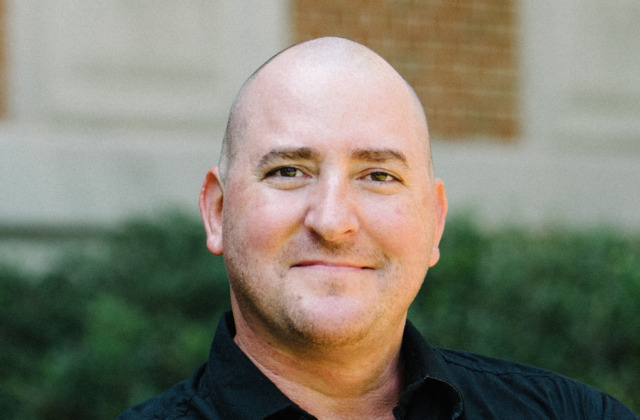
Derek A. Neverosky
Program Support Specialist
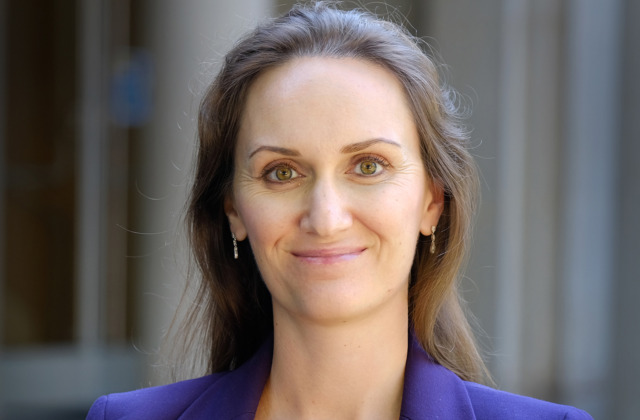
Yulia Nikiforov
Director of Finance
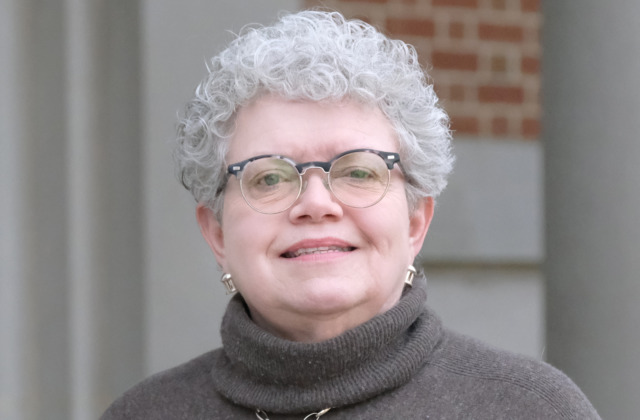
Laurie J. Norman
Director of Alumni Relations and Annual Giving
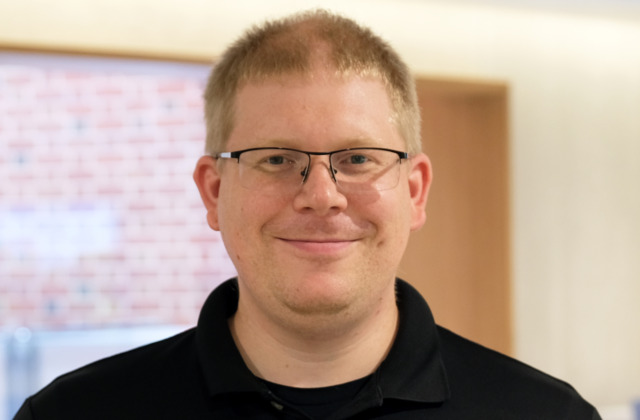
Brian Nussbaum
Director of Information Technology
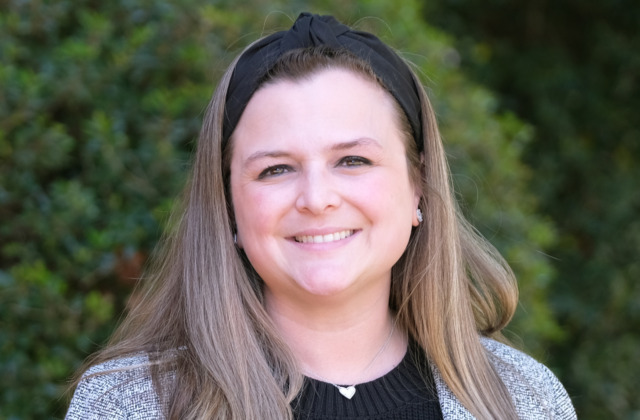
Maranda Nussbaum
Accountant
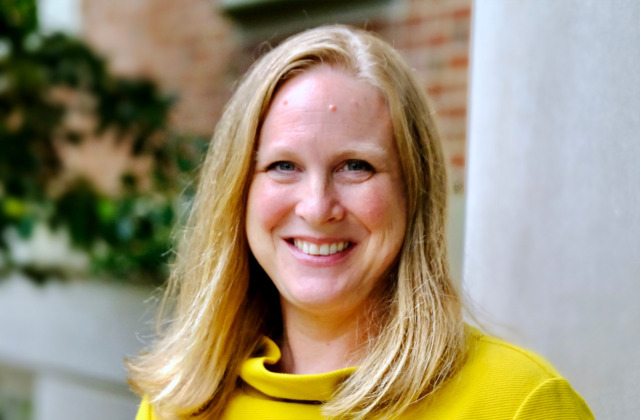
Kristin L. Papoi
Clinical Associate Professor
Research: Curriculum and Instruction; Teaching and Teacher Education; Language, Literacy, and Reading; Social and Philosophical Foundations of Education; Equity
Email:
papoi@email.unc.edu
Phone: (919) 843-9855
Office: Peabody 2092B
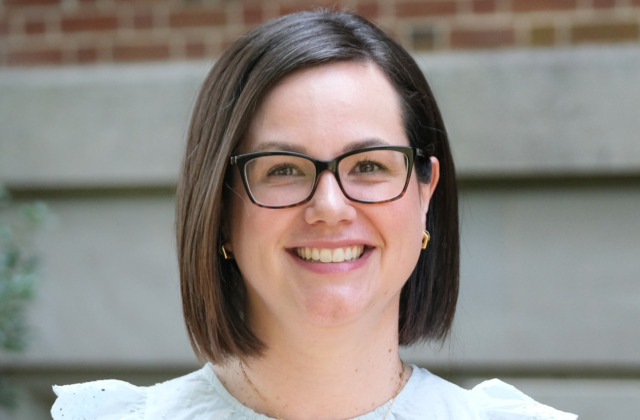
Sarah Petty
NC New Teacher Support Coach
Email:
sarah.petty@unc.edu
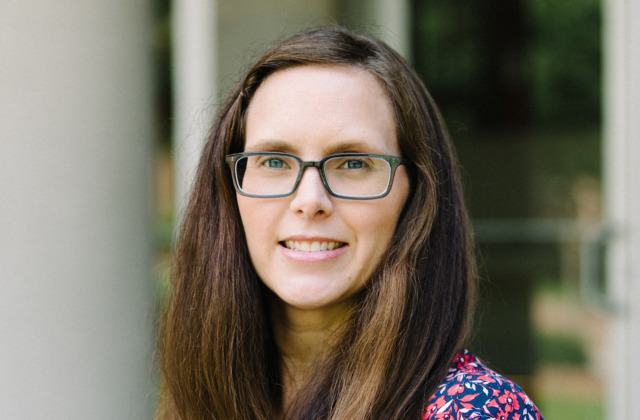
April Plumley
Clinical Partnerships and Licensure Manager
Email:
aprilp@email.unc.edu
Office: Peabody 1028

Robert Plumley
Research Associate in Adaptive Learning
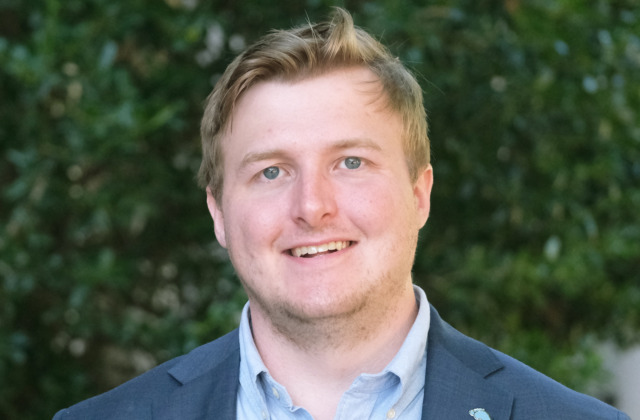
Andrew Price
System Administrator
Ann Prost
Advancement Associate
Phone: (919) 843-1998
Office: Peabody 1010
Monica Richard
Accounting Technician
Email:
Monica_Richard@unc.edu
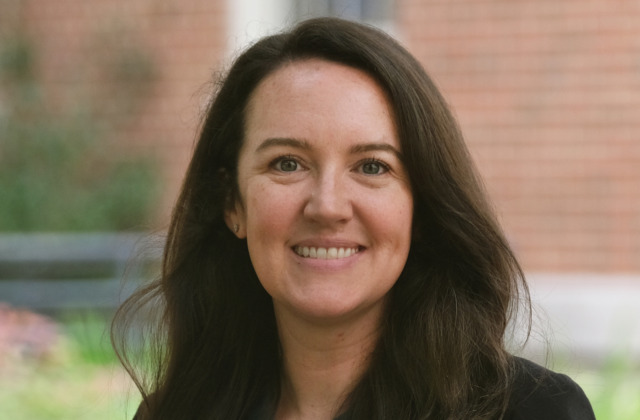
Amy Richardson
Director of Carolina Community Academy and PK-12 Partnerships
Regional Director of the NC New Teacher Support Program (NTSP)
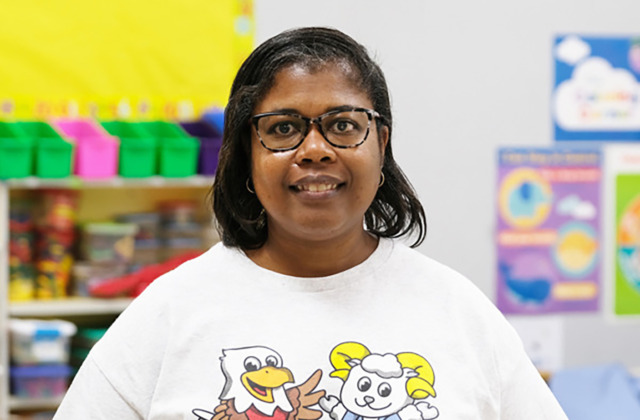
Takeima Ricks
Kindergarten Teacher at Carolina Community Academy
Email:
rickst@person.k12.nc.us
Phone: (336) 599-7262
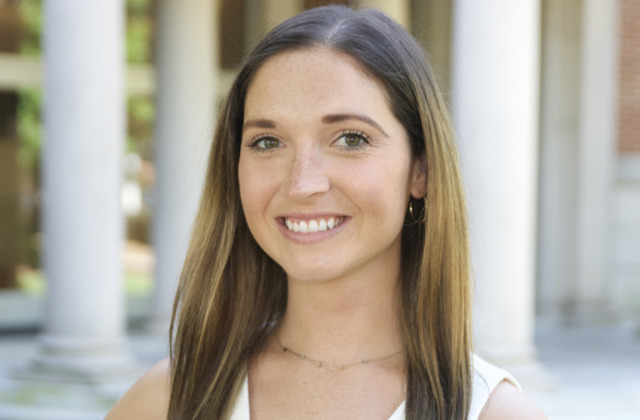
Sarah Rierson
Assistant Director of Development
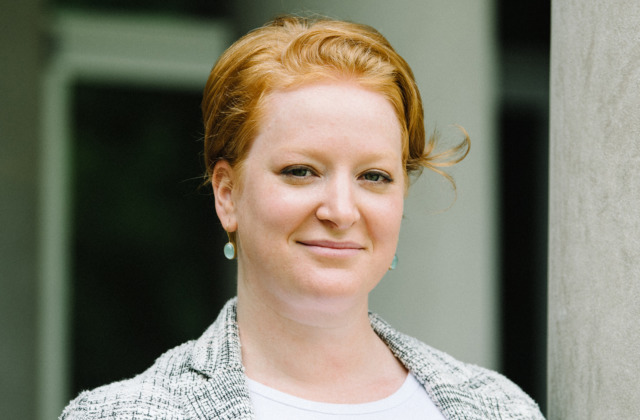
Dana Riger
Clinical Assistant Professor
Research: Child and Human Development; Counseling and Counseling Psychology
Email:
driger@unc.edu
Phone: (919) 445-8343
Office: Peabody 1050G
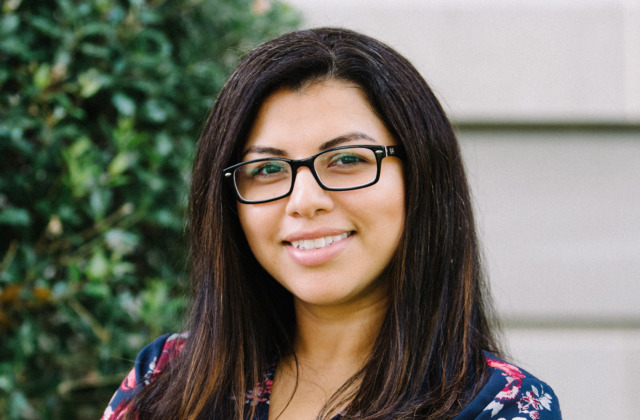
Yuliana Rodriguez
Clinical Associate Professor
Senior Honors Thesis Program Director
Research: Child and Human Development
Email:
yuliana@unc.edu
Phone: (919) 962-2520
Office: Peabody 3010K
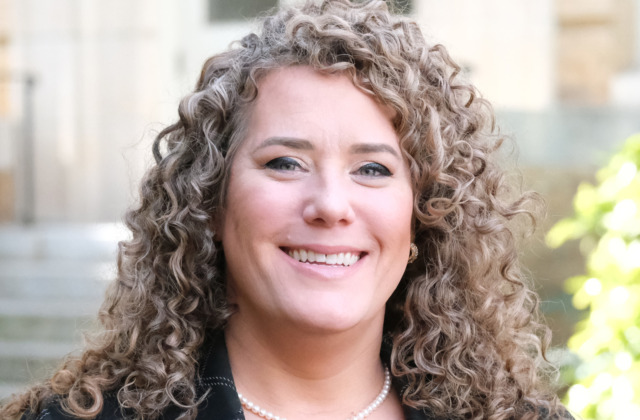
Holly Rogan
Research Accounts Manager
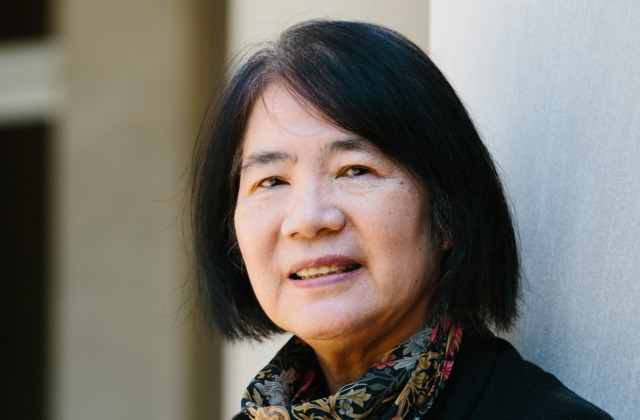
Xue Lan Rong
Professor
Research: Curriculum and Instruction; Teaching and Teacher Education; Language, Literacy, and Reading; Social and Philosophical Foundations of Education; Educational Policy
Email:
xrong@email.unc.edu
Phone: (919) 962-9203
Office: Peabody 3028C
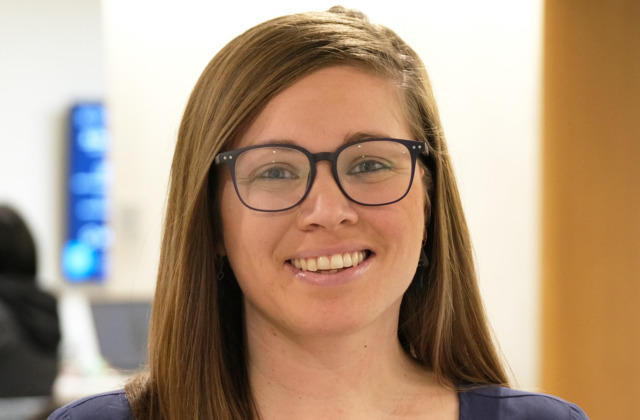
Sarah Rowe
Director of Advising and Student Engagement
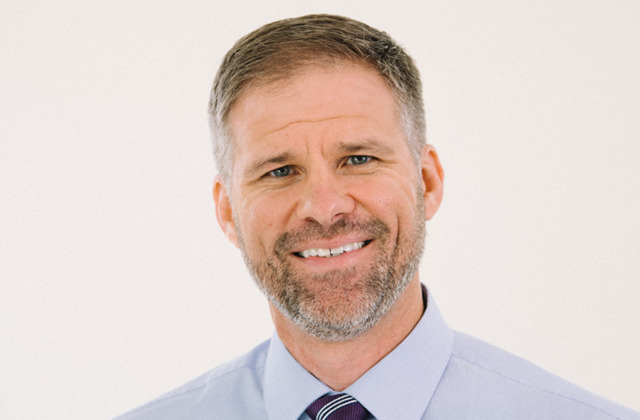
Troy D. Sadler
Thomas James Distinguished Professor of Experiential Learning
Area Chair, Culture, Curriculum and Teacher Education
Research: Curriculum and Instruction; Learning Sciences; STEM Education; Teaching and Teacher Education
Email:
tsadler@unc.edu
Phone: (919) 962-9737
Office: Peabody 3028D
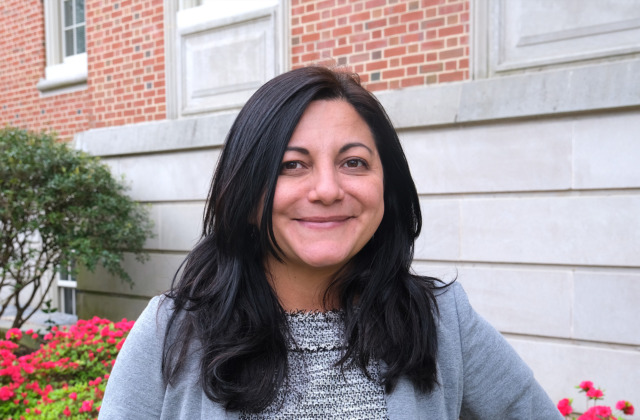
Fabiola Salas Villalobos
DREAM Program Director
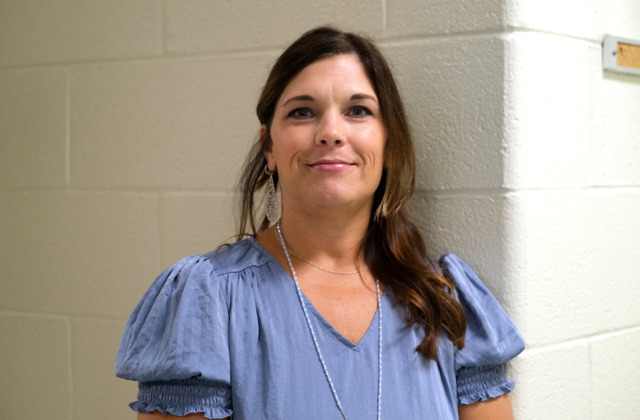
Deborah Sanford
First Grade Teacher at Carolina Community Academy
Email:
foxs@person.k12.nc.us
Phone: (336) 599-7262
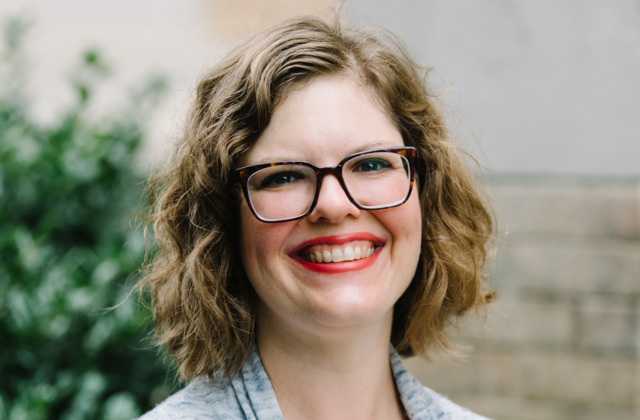
Lauren Sartain
Assistant Professor
Research: Educational Leadership, Administration, and Policy; Educational Policy; Equity
Email:
lsartain@unc.edu
Phone: (919) 962-7425
Office: Peabody 2010J

R. Keith Sawyer
Morgan Distinguished Professor of Educational Innovations
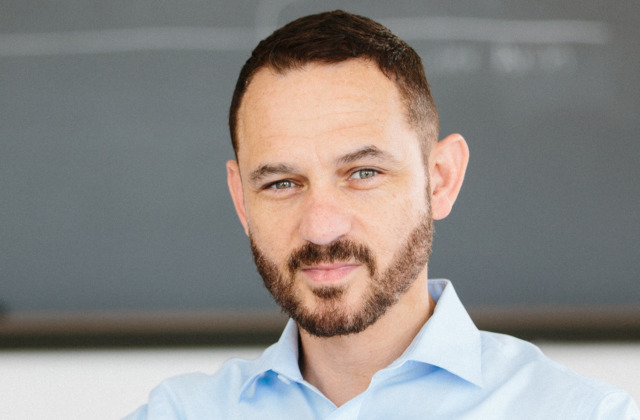
Chris Scott
Executive Director, UNC LEADS (Principal Fellows)
Clinical Assistant Professor
Research: Educational Leadership, Administration, and Policy; Equity
Email:
cescott@ad.unc.edu
Phone: (919) 815-0468
Office: Peabody 2010C

Joshua Serrano Otero
School Counselor at Carolina Community Academy
Phone: (336) 599-7262
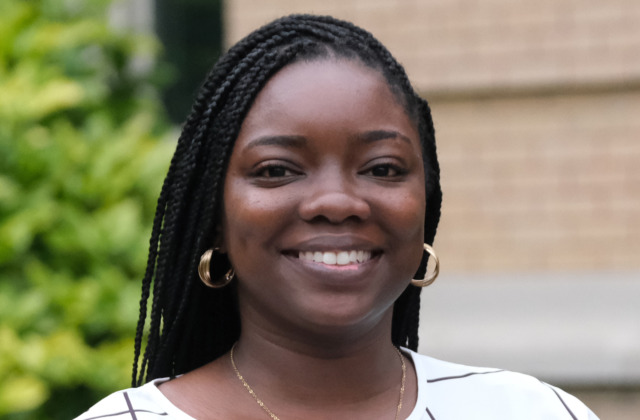
Brittnè Shaw
Pre-Award Research Administrator
Vanessa Smart
NC New Teacher Support Coach
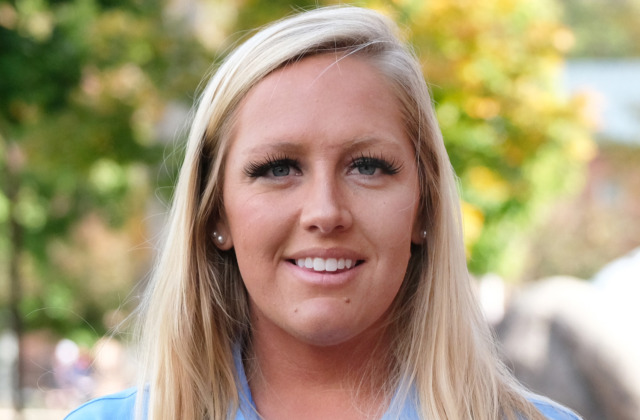
Stephanie Smith
Office Manager of Carolina Community Academy
Email:
bartss@person.k12.nc.us
Phone: (336) 599-7262
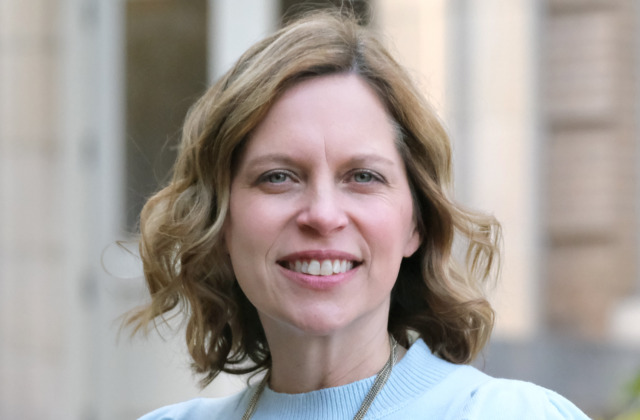
Robyn Soffera
Director of Development
Email:
robyn_soffera@unc.edu
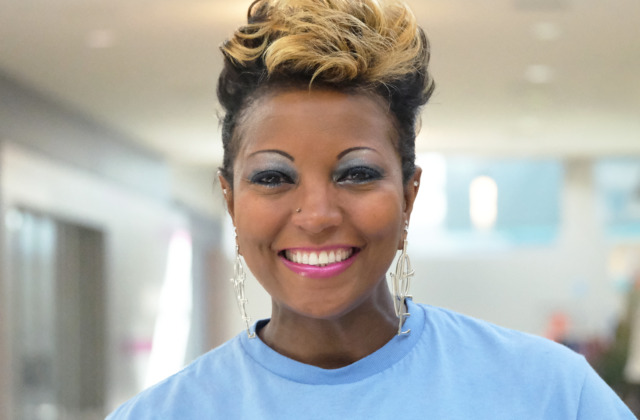
Christina Street
Kindergarten Teacher at Carolina Community Academy
Email:
streetc@person.k12.nc.us
Phone: (336) 599-7262
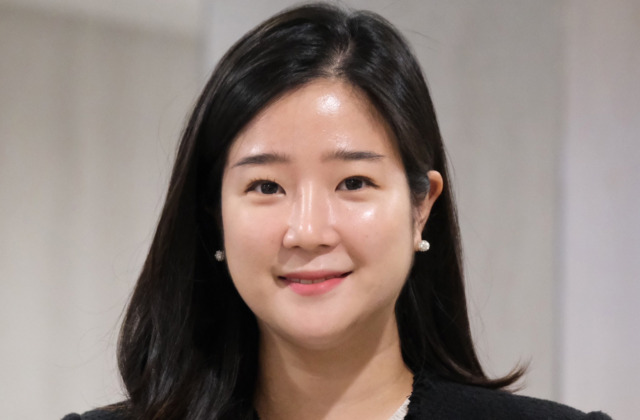
Hanall Sung
Post Doctoral Researcher
James Trier
Associate Professor
Research: Teaching and Teacher Education; Social and Philosophical Foundations of Education
Email:
jtrier@email.unc.edu
Phone: (919) 843-4627
Office: Peabody 2050C
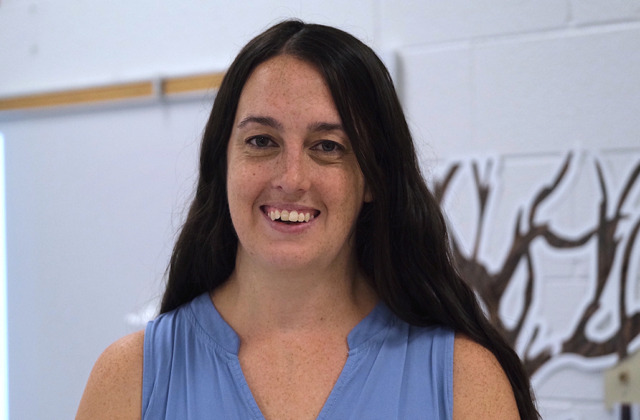
Ashley Turley
First Grade Teacher at Carolina Community Academy
Email:
turleya@person.k12.nc.us
Phone: (336) 599-7262
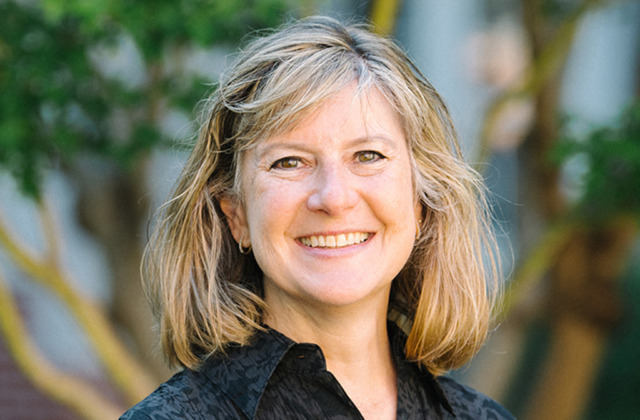
Catherine Vorick
Director of Human Resources
Devin Warmack
NC New Teacher Support Coach
Email:
dwarmack@unc.edu
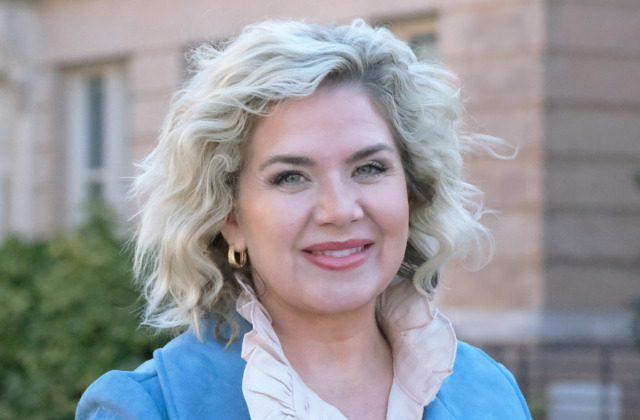
Carrol L. Warren
Program Director, Ed.D. in Organizational Learning and Leadership
Clinical Assistant Professor
Research: Educational Leadership, Administration, and Policy; Higher Education; Workforce and Adult Education
Email:
warrenca@unc.edu
Phone: (919) 962-4435
Office: Peabody 2010G
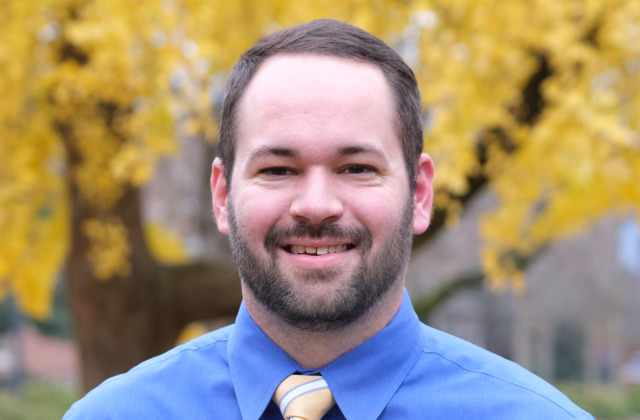
Daniel Watson
Principal of Carolina Community Academy
Email:
watsonda@person.k12.nc.us
Phone: (336) 599-7262
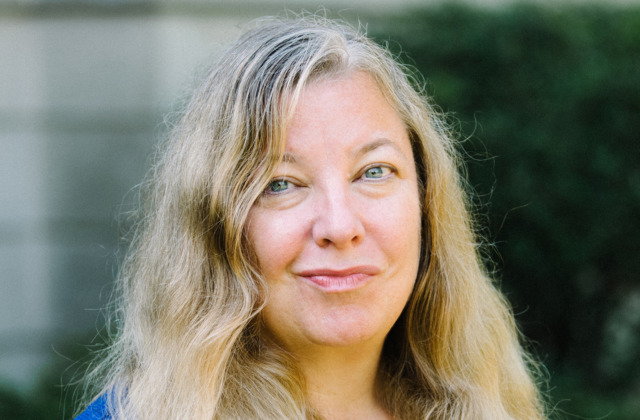
Caroline Weaver
Executive Assistant
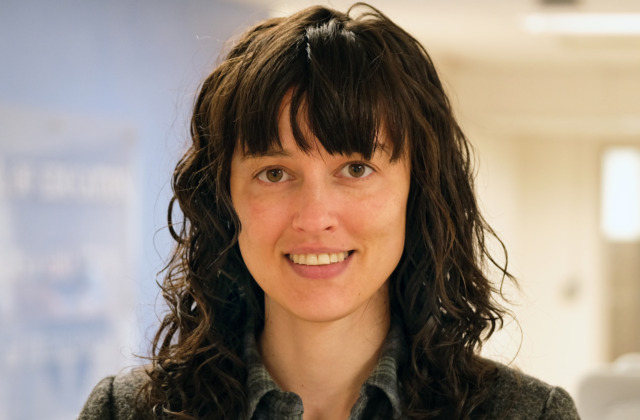
Elinor Williams
Postdoctoral Research Associate
Email:
ewillia@unc.edu
Office: Peabody 3028G
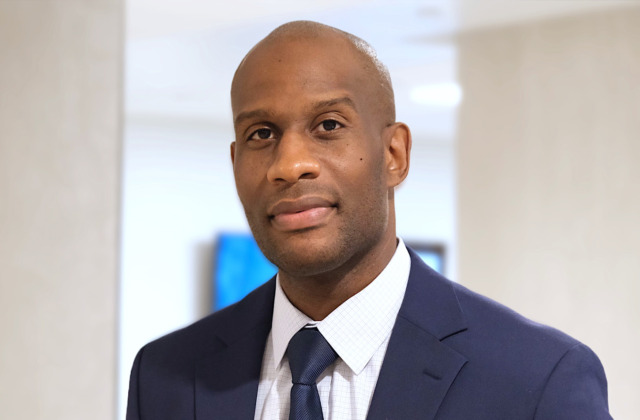
Joseph Williams
Professor
Research: Child and Human Development; Counseling and Counseling Psychology; Equity
Email:
jmwill@unc.edu
Phone: (919) 843-7876
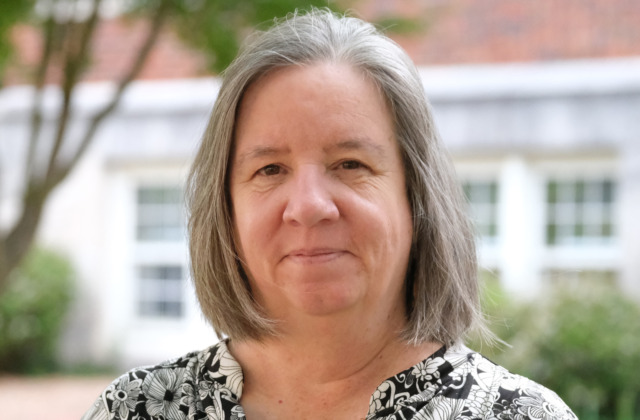
Rachel Winters
Student Affairs Administrative Support Specialist
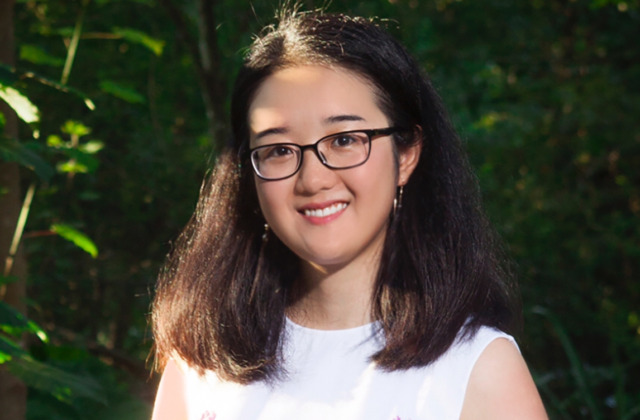
Zhen Xu
Postdoctoral Research Associate
Email:
zhenxu@unc.edu
Office: 3028G