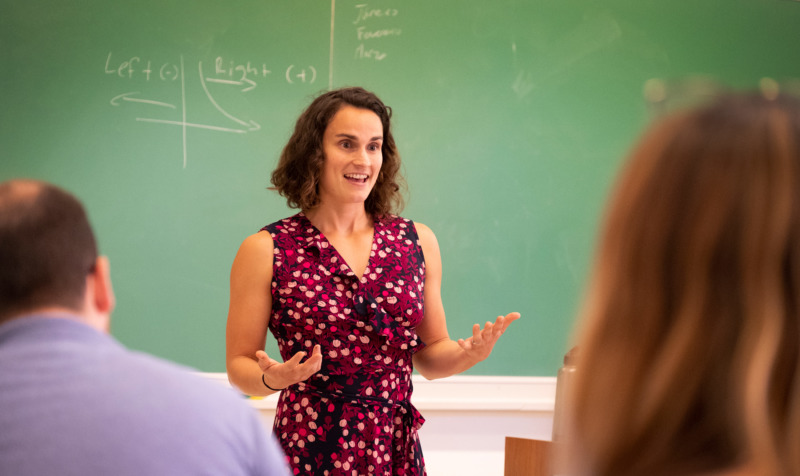
Cristin Montalbano, Ph.D. in School Psychology, 2014My experience at the UNC School of Education has been amazing. Within my first year of studies, I have had the opportunity to work with experts in the field of school psychology, data analysis and psychometrics. Each of these experiences has challenged me intellectually and provided me with opportunities to develop the skills necessary to be an effective school psychologist.
School Psychology News

In the United States, suicide, suicidal ideation, and self-harm are public health crises among children and teens. To reduce these behaviors, researchers in the UNC School of Education and School of Medicine are addressing how school systems can help students return from hospitalization after a suicide-related crisis. Marisa Marraccini, an assistant professor in the UNC…

The following was originally published by the Carolina Graduate School Magazine. Graduate students at the University of North Carolina at Chapel Hill are working to destigmatize and to support suicide prevention awareness to provide better training for the next generation of educators and clinicians in North Carolina and beyond. September is National Suicide Prevention Awareness…
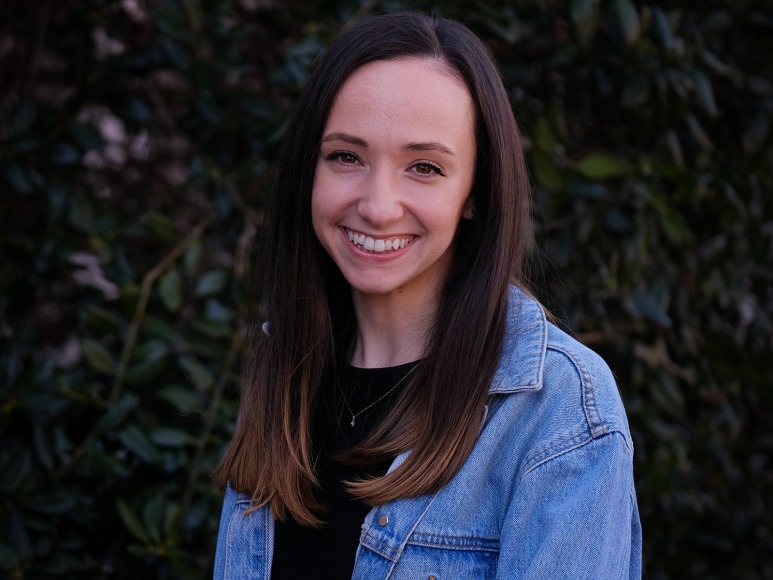
Katie Ingram, a doctoral student in the School of Education’s School Psychology program, has won a $100,000 dissertation award from the National Institute of Justice. Ingram won the NIJ Graduate Research Fellowship award to fund her dissertation research into adolescent “sexting” — defined in Ingram’s project as the practice of nonconsensual sharing of nude or…
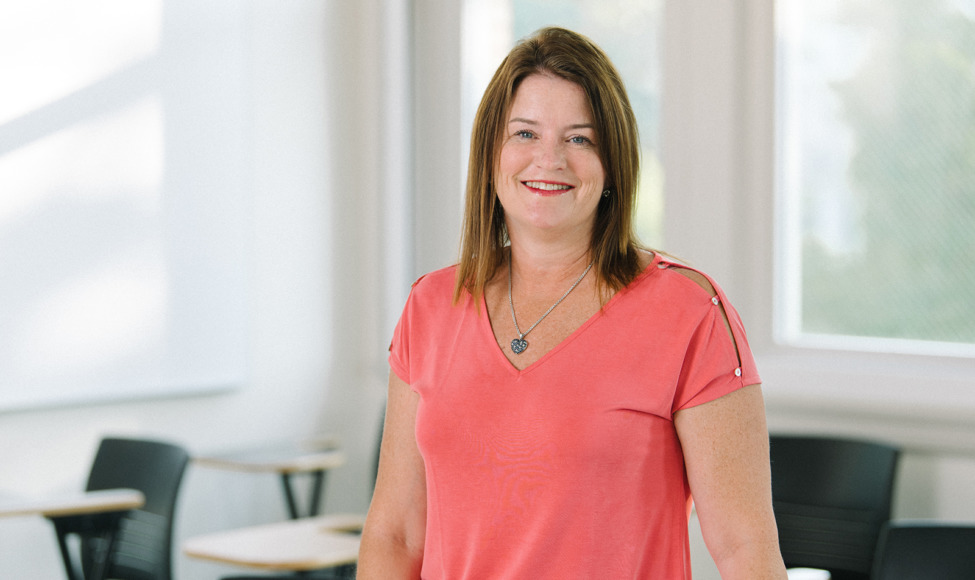
Dorothy Espelage found her way into her field of research the way many scholars do: She stumbled into it. Twenty-five years later, Espelage has established herself as one of the world’s leading academic authorities on student well-being, school safety, and bullying. Espelage, the William C. Friday Distinguished Professor of Education at the School of Education…
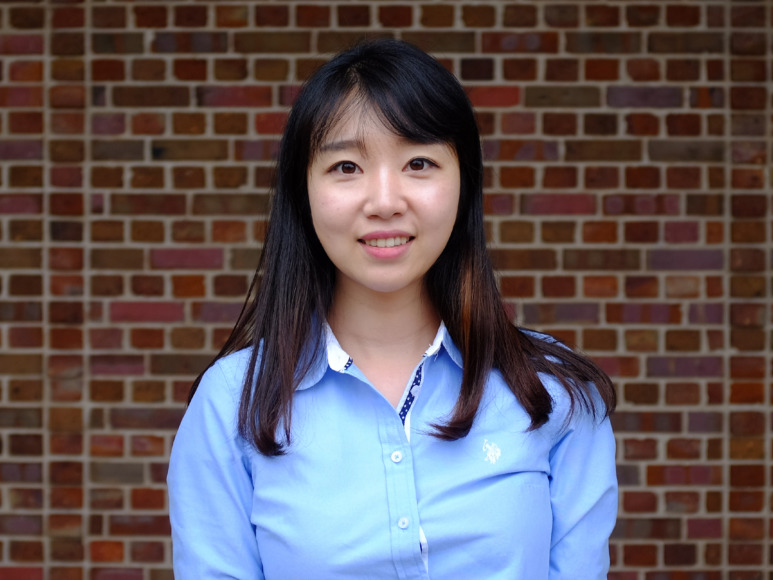
Danbi Choe, a doctoral student in School Psychology, has won the Lyle V. Jones Dissertation Fellowship from Carolina’s Graduate School. One of the University’s prestigious Royster Fellowships, the Lyle Jones Dissertation Fellowship provides tuition and a living stipend for one year to an advanced student completing research leading to the Ph.D. Choe is conducting dissertation…
It’s a bleak fact: Suicide is the second leading cause of death among school-aged youth in the United States. There’s a rising tide of suicide in the United States, with suicide among all age groups rising nearly 30% nationwide from 1999 to 2016, according to the Centers for Disease Control and Prevention. The rate of…