School Counseling, M.Ed.

Program Description

Overview

  • 14-month, 60 semester credit-hour program that begins in late May and ends in late July of the following year.
  • Accredited by the Council for the Accreditation of Counseling and Related Educational Programs (CACREP) and by the state of North Carolina.
  • Program and course work focus solely on school counseling.
  • Program based on innovative Strengths-Based School Counseling framework.
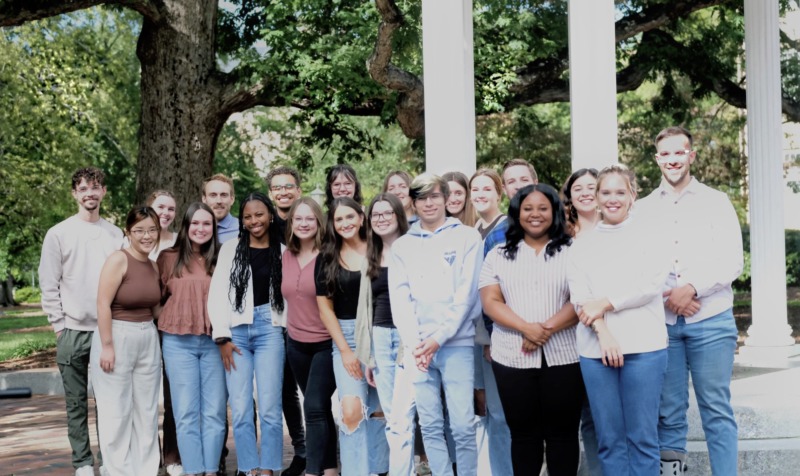
  • Students proceed through the program as a tightly-knit cohort.
  • Students complete a year-long school counseling practicum/internship in a public school.
  • K-12 School Counseling licensing at the Advanced Graduate (specialist), which results in an additional salary increment of $126/month for North Carolina public school counselors beyond the graduate (master's) level.

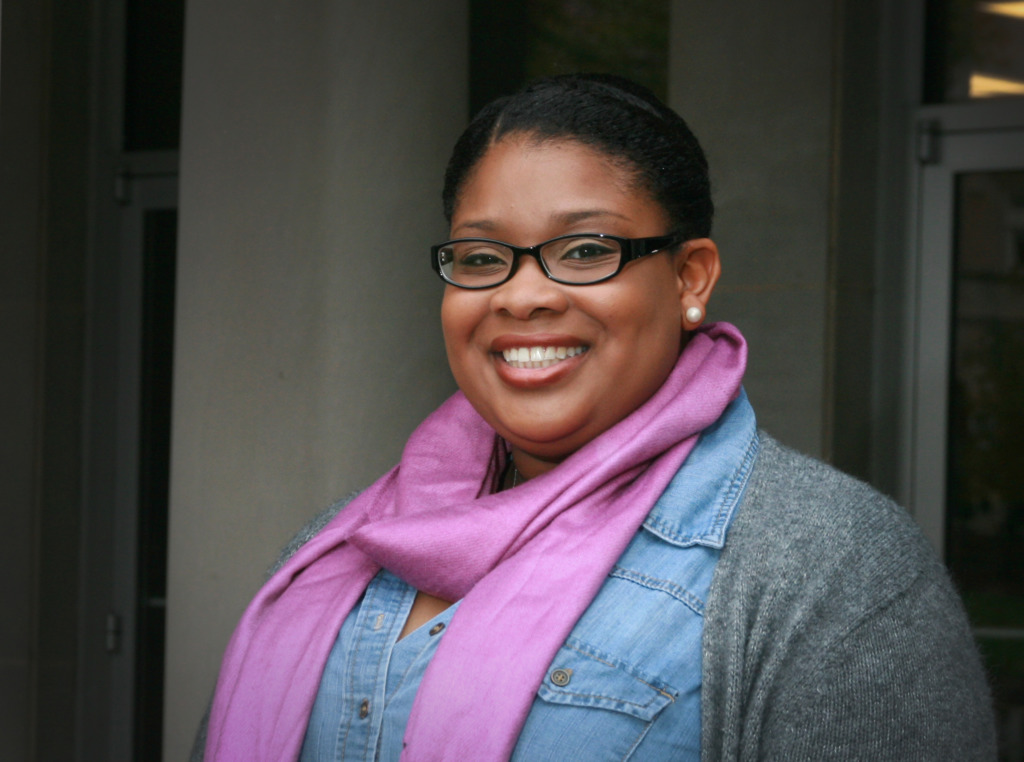
Class of 2009

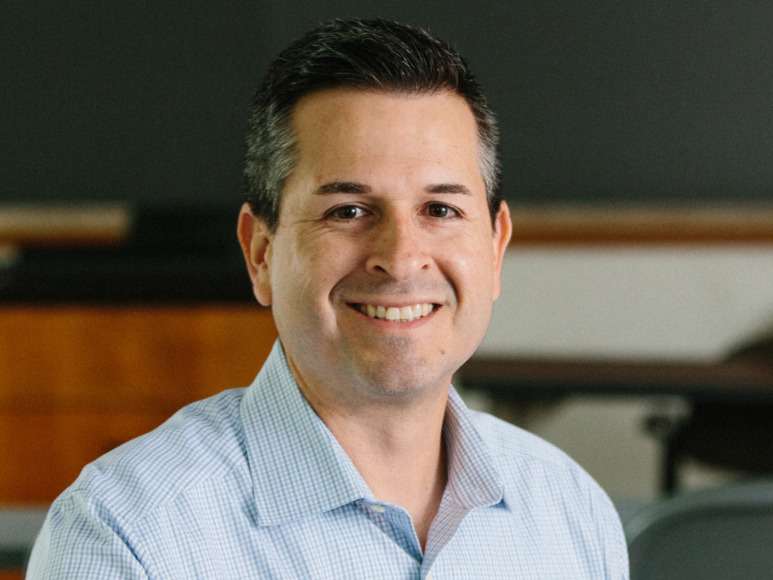
Class of 2010

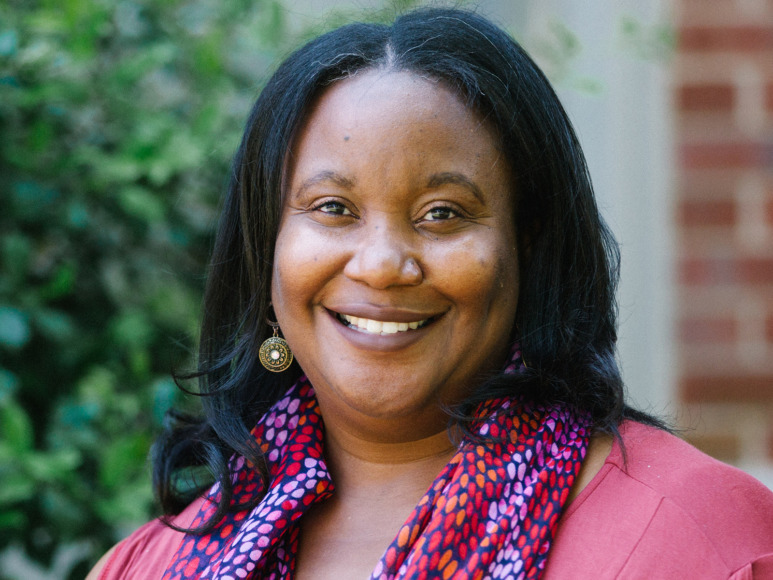
Class of 2009

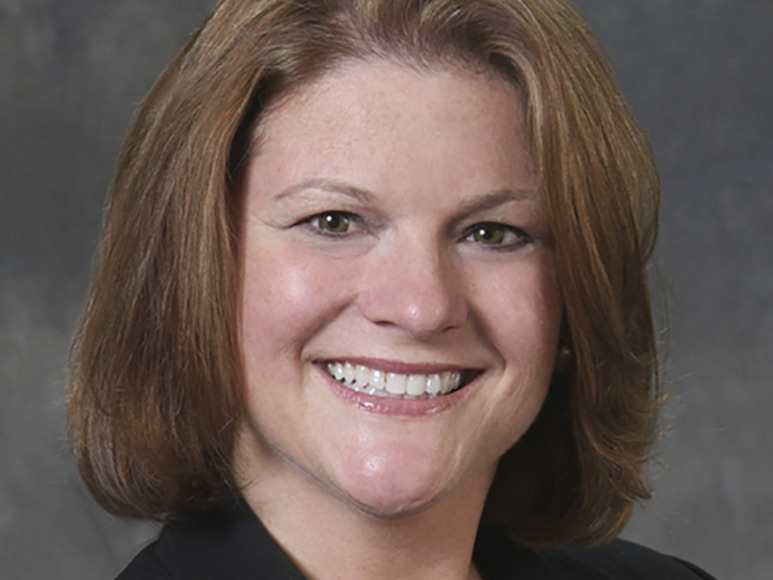
Class of 2009

Course Work

The M.Ed. program in School Counseling consists of four semesters of full-time study, 60 semester hours of course work, over a fourteen month period. Students normally begin classes during the last week in May. Students finish the program by August of the year following their entrance into the program.

Because the 60 semester hours of course work are completed in a 14-month period rather than the more traditional two-year period for programs of this type, this is a very concentrated and intense program. As a result, only full time students are admitted and students may not enter the program at times other than the one specified above.

Field Experience

During the first summer session in the program, students are asked to specify their preference for a placement level (elementary, middle or high school) for their field experiences (EDUC 611 and EDUC 705). The majority of training experiences are completed in this placement site, although some additional field experiences at different levels and/or different schools are completed to supplement and broaden training.

Students spend three days per week at their school placement for the entire academic year. Thus, students are given the opportunity to experience the complete school-year at their placement sites. Because of the field experience requirements, students follow the calendar of the school district rather than the University's calendar.

Field experiences usually occur within a 30 mile radius of Chapel Hill, and students are expected to provide their own transportation to field sites.

Applicants are required to complete a criminal background check before beginning work in their field experience. All students are provided with professional liability insurance before beginning field experiences by UNC Chapel Hill.

During the field experiences, supervision is provided:

  • on an individual basis from a practicing school counselor (site supervisor)
  • on an individual and/or triadic basis from an university program faculty member (university supervisor)
  • in a group of peers run by the university program faculty member (university supervisor)

Students must demonstrate knowledge and competencies in a variety of areas which include promoting academic, career, and personal/social development though individual and group counseling, classroom guidance and systemic work. During the placement, a minimum of 700 hours in the field, including at least 280 hours of direct service to students, teachers, and parents must be accumulated and documented. The experiences provided by the field placements are critical to integrating theory and practice and developing skilled school counselors.

Electives

The program requires a minimum of two graduate-level elective courses. Students are scheduled to complete these electives during their last summer session of studies at UNC Chapel Hill. However, summer course offerings are somewhat limited, and students may wish to take these courses through UNC Chapel Hill's Part-time Classroom Studies, or at other universities, and transfer them into the program.

Generally, no more that 12 credit hours can be transferred into the program. Electives are approved after students are admitted to the program; however, the program of studies and the suggested electives serve as a guide for prospective students.

Licensure

The School Guidance and Counseling Subject assessment of the Praxis II is required as the program comprehensive exam and is required for school counselor licensure in North Carolina.

Professional Development

Students are required to join the American School Counselor Association (ASCA) and become an engaged professional and aware of current issues in the school counseling field. The cost for annual student membership in ASCA is $60. Join ASCA by calling 1-800-306-4SCA (4722) or applying to ASCA online.

Students are also required to attend one professional development conference during the program and are encouraged to attend the North Carolina School Counselor Association’s annual conference.

Admissions

Program Contacts

General program inquires:
Kellie Belton, Program Assistant
belton@email.unc.edu or (919) 966-5266

Current student representative: schoolcounsel@unc.edu

Program coordinator:
Patrick Akos, Ph.D., Program Coordinator
pta@unc.edu or (919) 843-4758